The Tour de France 2026 is set to draw over 850,000 spectators to Barcelona, causing significant traffic disruptions and public transport changes. Authorities have implemented a special mobility plan to manage the influx.
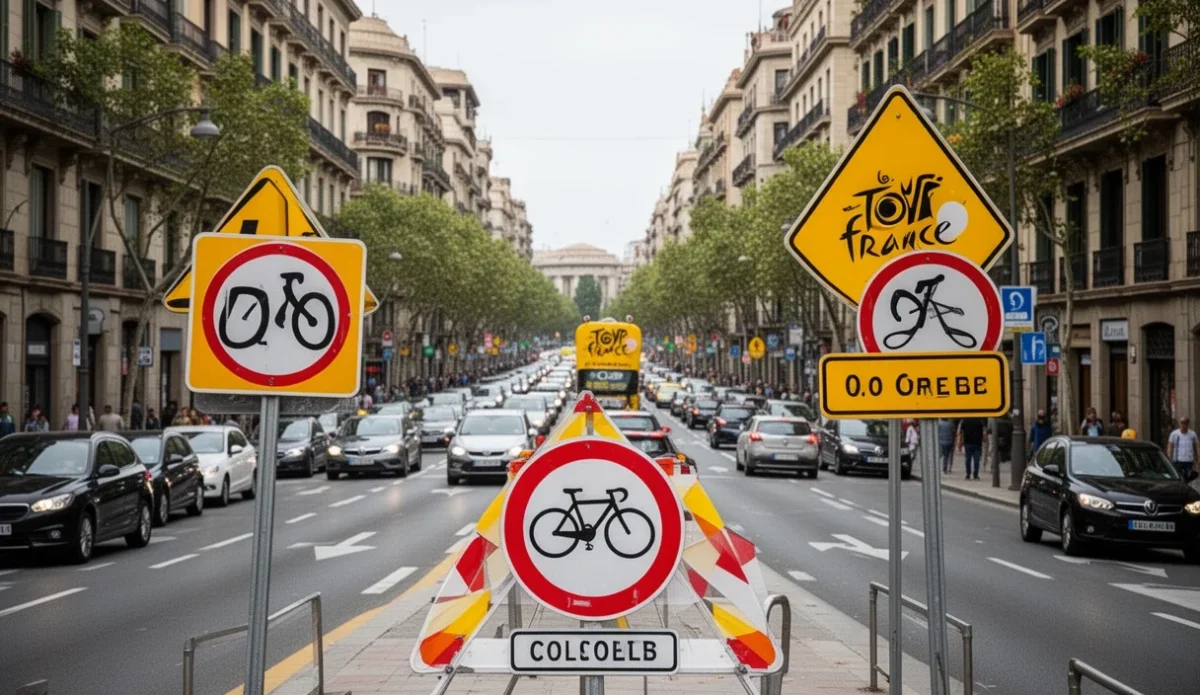
Barcelona is gearing up for a bustling weekend as the Tour de France 2026 arrives in the city, expected to attract around 850,000 visitors. This major sporting event will lead to extensive road closures, traffic diversions, and alterations in public transportation services from Saturday through Sunday. The local government has initiated a comprehensive mobility strategy to address anticipated congestion during this peak tourist season.
The first day of the Tour will feature an individual time trial that runs entirely through Barcelona. This event is projected to create significant restrictions on road access between 12:00 PM and 8:30 PM, affecting key routes such as Avenida del Litoral and Paseo de Gràcia. The city’s authorities estimate that between 650,000 and 850,000 spectators will line the streets to witness the race.
In preparation for these changes, local transit officials have announced that bus services will be modified significantly. Lines including 13, 125, 150, and 157 will not operate at all during the event. Additionally, many other lines will experience detours or altered routes due to road closures.
Ramon Lamiel, director of the Catalan Traffic Service, will hold press conferences on both Saturday and Sunday at 11:00 AM, providing real-time updates on traffic conditions and any incidents related to the race. This proactive communication aims to keep residents informed about ongoing developments throughout the weekend.
The impact of this event extends beyond just road closures; it also affects tram services across Barcelona. On Saturday afternoon alone, there will be interruptions on several tram lines due to safety measures required for the race’s progression. For instance, Line T4 will be out of service between El Maresme and Estació de Sant Adrià from 2:30 PM until 4:45 PM. On Sunday, similar disruptions are expected along Trambaix lines T2 and T3.
To facilitate pedestrian movement during this busy period, three temporary pedestrian bridges are being erected at strategic locations around the course. These bridges are intended solely for crossing purposes; lingering or gathering on them while watching the race is prohibited.
As part of their efforts to ensure safety and accessibility during this high-traffic event, city officials have established numerous designated crossings along the route—approximately one every five minutes by foot—to help pedestrians navigate safely amidst road closures.
Historically speaking, major sporting events like this often lead cities into logistical challenges reminiscent of past occurrences such as when Barcelona hosted its Olympic Games in 1992. However, with advancements in urban planning since then—including improved public transport systems—the city hopes to mitigate some of these issues effectively.
For those looking for alternative travel options during this period or planning visits near Montjuïc where significant crowds are expected on Sunday afternoon—when many roads leading up to Montjuïc will close from 12:00 PM until around 6:00 PM—it’s advisable to use metro stations nearby or consider walking if feasible.
With preparations underway and a robust plan in place aimed at minimizing disruption while maximizing enjoyment for both locals and tourists alike during this iconic cycling event, Barcelona stands ready for what promises to be an exhilarating weekend.

You might also be interested in