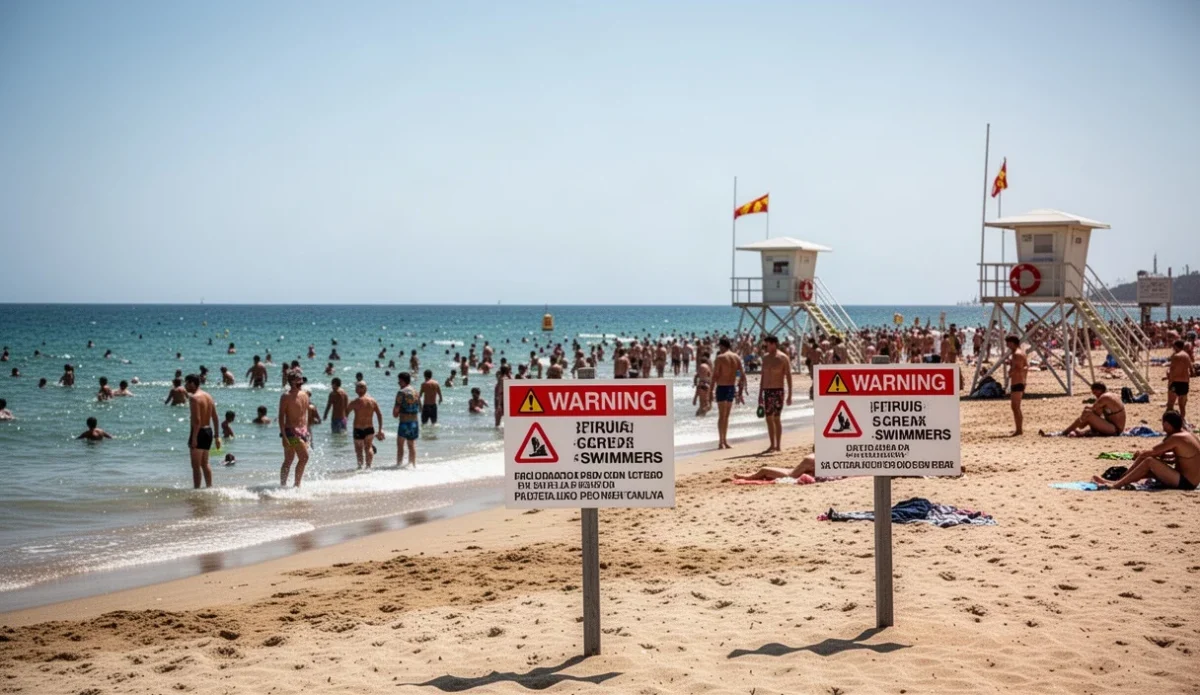
This summer, Catalonia recorded 43 drowning fatalities, the highest since 2014. Experts link the surge to increased beachgoers during extreme heat conditions.
This summer has proven deadly for swimmers in Catalonia, with a staggering 43 drowning fatalities reported, marking the highest number since 2014. The uptick in incidents has been attributed to a significant rise in beach and pool attendance due to intense heatwaves that swept across the region. According to Joan Ramon Cabello, deputy director of Civil Protection in Catalonia, this year’s campaign has been described as “really very bad,” highlighting the urgent need for improved safety measures.
The statistics reveal that out of the total drownings, 27 occurred at beaches, while 11 took place in swimming pools, and 5 were reported in inland waters. This year’s figures starkly contrast with last year’s total of just 28 drownings between June and September. The alarming increase underscores a troubling trend as more individuals flock to aquatic venues during periods of extreme heat.
The season began tragically on June 19 when three children aged between 12 and 13 drowned at Arrabassada Beach in Tarragona. This incident was part of a broader pattern that saw seven minors among the victims this summer—a demographic particularly vulnerable to such accidents. Historically, drownings among children have often occurred in private pools or less supervised environments.
Moreover, elderly individuals aged over 65 accounted for a significant portion of this year’s fatalities, totaling 25 deaths. Cabello noted that many older adults may overestimate their swimming abilities or enter water when they are not feeling well. In terms of gender distribution among victims, men represented the majority with 31 fatalities, compared to just 12 women.
The data also indicates that July was particularly deadly with 20 drownings, followed by August with 10 deaths. The second half of June accounted for nine incidents while four occurred in early September. This trend is concerning as it reflects not only an increase in attendance but also potential lapses in safety protocols.
Catalonia’s beaches have seen their worst drowning rates since 2012, with approximately 41 percent occurring on the Costa Brava, followed closely by the Costa Dorada at 38 percent. These figures are only surpassed by those recorded in 2019 when there were 29 fatalities.
The rise in pool-related drownings is particularly alarming; this year saw an increase from just four deaths last summer to eleven this season—most occurring at private residences or community facilities. One notable case involved a six-year-old girl who drowned at a municipal sports complex.
A worrying aspect highlighted by Cabello is the challenge posed by inland waters where implementing preventive measures is complicated due to unpredictable visitor patterns and lack of formal oversight compared to beaches and pools.
The end of this bathing season will prompt Civil Protection officials to convene with technical teams to analyze data collected throughout these months. Their goal will be to identify effective strategies aimed at reducing future drowning incidents through public awareness campaigns and enhanced rescue operations.
A meeting following the tragic events involving minors will focus on evaluating existing lifeguard systems and considering necessary improvements based on comprehensive data analysis from this summer’s campaign. With climate change leading towards hotter summers ahead, authorities recognize that similar challenges may arise again next year.
This situation calls for immediate action; residents and visitors alike should remain vigilant while enjoying water activities. For those planning visits to local beaches or pools next summer, staying informed about safety regulations and available lifeguard services can help prevent further tragedies.

You might also be interested in