

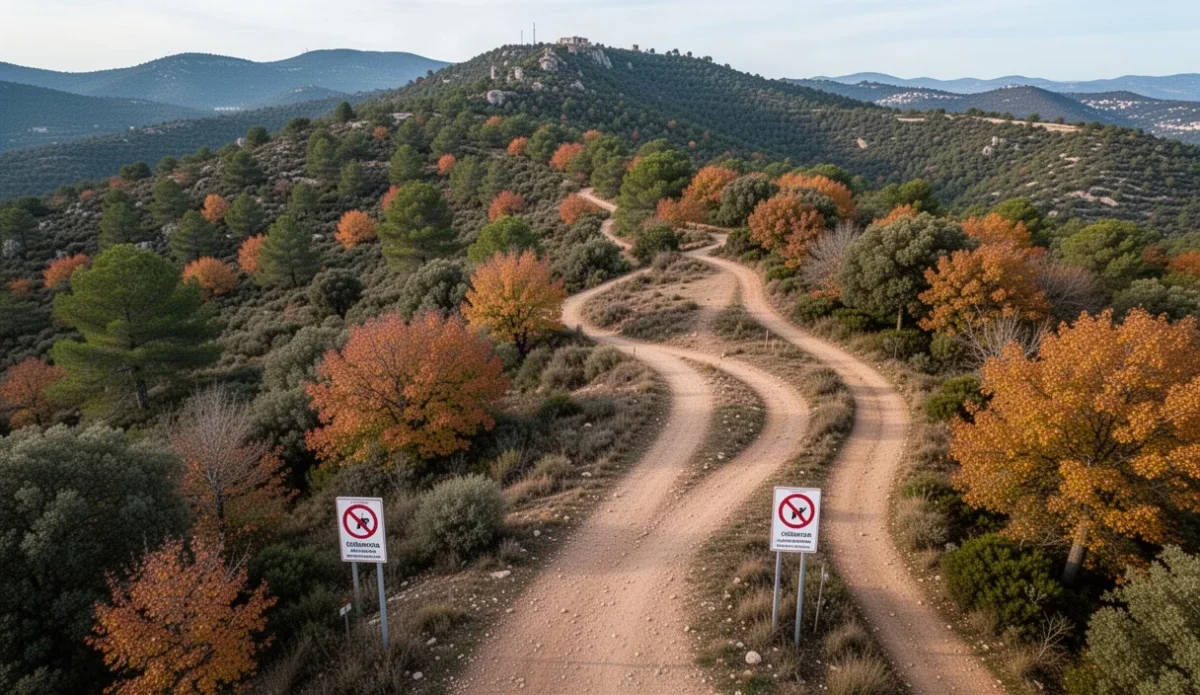
The prolonged closure of Collserola Park due to African swine fever has led to widespread frustration among residents and local businesses. With no clear reopening date, the impact on the community is severe.
The ongoing restrictions at Collserola Park have left residents and local businesses in a state of despair as the government announced an extension of access prohibitions for at least three more months. This decision follows a series of setbacks in managing African swine fever outbreaks that have plagued the region since March.
Initially hopeful after two weeks without new cases, many believed that a gradual reopening could begin this autumn. However, recent reports of infected wild boar carcasses dashed those hopes. Agriculture Minister Òscar Ordeig confirmed on TV3 that restrictions would remain in place until further notice, emphasizing the need to prioritize public health over recreational access.
The impact of this extended closure is particularly acute for the hospitality sector surrounding Collserola. Isidre Jané, owner of Can Jané restaurant in Sant Cugat, expressed his frustration: “We are suffering a crisis much worse than during the pandemic because now we are completely cut off from our usual customers.” He noted that their revenue has plummeted by nearly 50% since the restrictions began.
Local politicians are also feeling the pressure. Sant Cugat’s mayor, Josep Maria Vallès, has been vocal about the need for partial access to Collserola for both mental health and economic reasons. In letters to Minister Ordeig, he highlighted that over 5,000 residents rely on these natural spaces for recreation and well-being.
The situation has sparked grassroots movements advocating for change. In June, around 200 citizens participated in a civil disobedience march under the slogan “Reopen Collserola,” which ended with police intervention as authorities deemed it illegal. Activists argue that while public health is paramount, there should be designated areas within Collserola where activities like hiking and cycling can resume safely.
The emotional toll on residents is palpable. Cristina Alier from Montflorit expressed her frustration: “It’s disheartening to see such drastic measures taken against our access to nature.” She initiated a petition on Change.org titled “Open Collserola for Mental Health,” which has garnered over 8,000 signatures aimed at urging authorities to reconsider their stance.
The financial strain extends beyond restaurants; local businesses reliant on foot traffic have reported significant losses as well. Many establishments have had to lay off staff or reduce hours drastically due to dwindling customer numbers during weekends when they would typically be bustling with visitors enjoying outdoor activities.
A recent announcement from the Generalitat regarding financial support measures offers some hope but remains insufficient for many affected businesses who feel abandoned during this crisis. The package aims to assist companies impacted by swine fever restrictions but does not address immediate operational challenges faced by restaurants like Can Jané.
This situation marks one of the longest closures in recent memory for such a vital green space in Catalonia—a stark reminder of how environmental health crises can ripple through communities economically and socially. As discussions continue about potential reopening strategies, local leaders stress that any plan must balance safety with accessibility.
For those looking forward to enjoying nature once again at Collserola Park, patience will be essential as officials navigate these complex challenges ahead. Residents are encouraged to stay informed through municipal updates regarding any changes in access policies or available support resources while hoping for a resolution soon.

You might also be interested in


