
A Cultural Clash in Canet de Mar
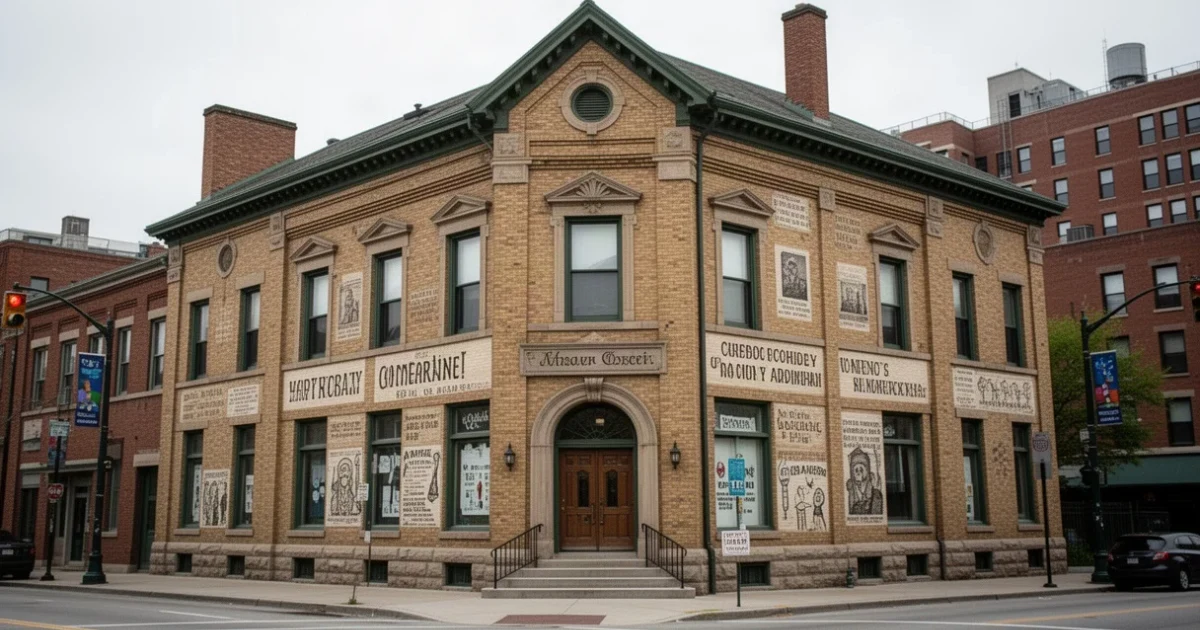
The Casa Museu Lluís Domènech i Montaner, an emblematic cultural space in Canet de Mar, is at the centre of an intense controversy. The Centre d’Estudis Lluís Domènech i Montaner (CEDIM) has denounced what it considers a "progressive depersonalisation" of the museum, directly pointing to the Councillor for Culture, Emili Sánchez. This criticism arises after recent decisions that have generated concern among defenders of the architect's legacy.
CEDIM has issued a statement expressing its discontent with the recent inauguration of an exhibition dedicated to photographer Eugeni Forcano in the Sala Jardí. The entity argues that this space is crucial for the narrative about Domènech and Montaner and that the inclusion of elements unrelated to his life dilutes its essence. They also criticise the installation of the dining room of architect Jeroni Granell, loaned by the Museu del Disseny de Barcelona, as another example of this trend to blur the museum's identity.
Another contentious point is a project budgeted at 230,000 euros aimed at improving the museum's accessibility. According to CEDIM, this intervention would not resolve the fundamental issues as much of the museographic discourse would still be inaccessible to people with reduced mobility. They also question the new proposed statutes for the museum, which do not include an expert advisory board or an independent scientific direction, which they consider incompatible with a solid museum project.
In response to these accusations, the Canet Town Council has defended its management and regrets that CEDIM has chosen not to actively participate in the proposed improvements. They claim to be working hard to meet the necessary requirements to register the Casa Museu in the Network of Museums of Catalunya, which could open new opportunities for investment and visibility.
The critical tone of CEDIM's statement highlights that for decades the Casa Museu has failed to become an adequate reference within the domain of Domènech due to a lack of scientific rigor and a programming more focused on "folkloric dynamisation." Despite this, they assert that the architectural legacy remains alive thanks to the continuous work they have carried out since 2013.
As tensions rise between both parties, the Town Council reiterates its commitment to preserving local heritage and bringing it closer to citizens. In this complicated context, a call is made to join efforts towards a common goal: to ensure a promising future for one of the most significant cultural spaces in Catalunya.

You may also like