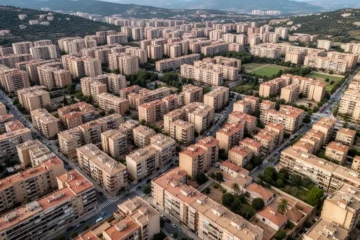
The city of Barcelona is set to invest €100 million over the next decade to modernize its 43 municipal markets, enhancing local commerce and sustainability. This initiative aims to strengthen community ties and adapt to changing consumer demands.
Barcelona’s vibrant market scene is poised for a significant transformation as the city government unveils a comprehensive plan aimed at revitalizing its 43 municipal markets by 2031. With an investment of €100 million, this initiative seeks not only to modernize these essential hubs of local commerce but also to reinforce their role in fostering community connections amidst a rapidly evolving digital economy.
The city’s markets, which include iconic locations such as La Boqueria and Mercè, contribute approximately €561 million annually to Barcelona’s economy, representing about 3.4% of the city’s GDP. These bustling centers are more than just places for transactions; they serve as vital social infrastructures where residents gather, share experiences, and build relationships.
The plan comes at a time when traditional shopping methods face increasing competition from online retail giants. Historically, similar initiatives have proven successful in other cities; for instance, Paris has seen revitalization efforts in its markets that have significantly boosted local engagement and economic activity. Barcelona aims to replicate this success while focusing on sustainability and proximity.
The upcoming renovations will address several key areas: physical upgrades of market facilities, digital enhancements for vendors, professional training programs, and improved sustainability practices. Raquel Gil, the deputy mayor responsible for markets, emphasized that these spaces are crucial for social cohesion. She stated that they are “where neighborhood bonds are formed,” highlighting their importance beyond mere commercial transactions.
The renovation timeline includes notable projects such as La Boqueria’s anticipated overhaul set to begin this summer after delays pushed back initial plans from last year. Other markets like Galvany and Sant Martí are also on the list for future improvements. Recent renovations have already been completed at Montserrat Market and Abaceria Market in Gràcia.
A report from the city indicates that currently 96% of market stalls are occupied—a figure that varies across different neighborhoods—showing robust demand despite challenges posed by e-commerce trends. In addition to physical upgrades, there is a strong push towards enhancing environmental sustainability; since 2019, waste generation has decreased by 27.3%, with selective waste collection increasing by 51%.
This decade-long strategy reflects a broader commitment from the city council under the leadership of the PSC party to ensure that these markets remain relevant and thriving in an increasingly globalized world. The historical precedent set by previous transformations—such as Santa Caterina Market—serves as inspiration for what can be achieved through thoughtful planning and investment.
The next steps involve engaging with local stakeholders and residents about how best to implement these changes while minimizing disruption during construction phases. For those interested in experiencing Barcelona’s rich market culture firsthand or learning more about upcoming events at these locations, visiting La Boqueria or any other municipal market offers a glimpse into the heart of local life.

You might also be interested in