
Custom canvas awnings completely change how a pergola is used. They transform from a beautiful structure into a comfortable and practical outdoor space for much of the year, like an outdoor lounge. By providing adjustable protection against strong sun, unexpected rain, and wind, these awnings extend the time you can enjoy the garden or terrace. They also help maintain a more pleasant temperature, provide more privacy, and enhance the overall appearance. Choosing a custom option, such as the Custom Canvas Awnings for Pergolas from Shade4You, ensures everything fits well and works better, as it adapts precisely to each space and usage style.
What Do Custom Canvas Awnings Bring to Pergola Spaces?
A pergola by itself promises a nice outdoor corner; with a custom canvas awning, that idea becomes truly useful. These fabric covers are what turn beams into a protected and pleasant area. Their main contribution is creating cool and comfortable shade even during the hottest hours, reducing the perceived temperature by up to 8-10 °C. This benefits people, but also protects furniture, plants, and decor from the sun and bad weather, helping them last longer and stay in better condition.
In addition to practicality, custom canvas awnings provide a clean, modern style without cluttering the space. They can be part of the design and enhance how the terrace or garden looks. Thanks to technical materials like PVC, PTFE, or coated polyester, they can withstand harsh climates, strong winds, and high UV radiation, providing durable shade that lasts for years.
Key Benefits of Canvas Awnings in Pergolas
Installing canvas on a pergola offers advantages that go beyond just “covering.” Protection from the elements is one of the most important: intense sun, UV rays, rain, and wind. The awning acts as a barrier that allows you to use the outdoors with fewer worries. That well-made shade also helps create a cooler and more pleasant environment, making the pergola a natural gathering point even on the hottest days.
Another clear benefit is the appearance. Canvas awnings, especially if custom-made, fit better with the house or establishment. They are not just an accessory: they can be part of the exterior design, with a polished and modern image. This blend of use and aesthetics makes the pergola feel like an integral part of the home, ready for use every day.
Comparison with Other Materials and Shade Solutions
If you are considering covering a pergola, there are several options, but custom canvas stands out for its good balance between use, aesthetics, and price. Traditional pergolas used plants like vines or climbing plants to provide natural shade and a rustic style, but they do not protect well from rain and require constant care of the vegetation.
Compared to fixed roofs made of polycarbonate or glass, which provide good protection from rain and snow year-round, custom canvas is much more flexible. A fixed roof can block light on cool days or limit the feeling of “being outdoors.” The canvas can be retractable or rollable, so it can be opened or closed depending on the weather and your preference. It is also lighter and usually ventilates better, making it easier to install or remove seasonally. This often reduces costs and makes the solution more adaptable.
When compared to natural fibers like hemp, reed, or bamboo, which are cheap and look good in beach environments, technical canvas provides much better protection. Natural fibers are often more decorative than practical: they do not cover well from rain and their UV protection is usually limited. Canvas (especially PVC) offers a good mix of durability, waterproofing, and price, with treatments against UV rays that help it last longer.
What Are the Main Benefits of Installing Custom Canvas Awnings?
Installing a custom canvas awning on a pergola is a practical decision with clear results. It is not just about “putting on a cover”: it is about improving the use of outdoor space and its value. From a more pleasant temperature to potential energy savings, everything adds up to make the space more comfortable and useful.
Optimisation of Thermal Comfort and Sun Protection
One of the most valued benefits is that the awning helps keep it cooler. In summer, direct sunlight can make the pergola difficult to use. A good quality canvas, made with materials like mass-dyed acrylic or PVC-coated polyester, can significantly reduce the feeling of heat and create a pleasant shaded area. These fabrics help against heat, UV rays, and glare, making the space comfortable even at noon.
If you choose waterproof fabrics or those with water-repellent treatment, you can also continue using the pergola during light or moderate rain. Some fabrics “breathe” better than others: they allow hot air to escape and prevent the heat accumulation effect under a completely closed cover. This improves ventilation, which is very useful in warm areas.
Increased Utilisation and Functionality of the Space
With a custom canvas, the pergola stops being a decorative element and becomes a useful area, like a dining room, outdoor lounge, or meeting space. It can be used from the first pleasant days of spring to many autumn evenings. Having an outdoor space that can be enjoyed for more months of the year is a significant improvement.
Retractable or motorised awnings allow you to adjust shade and light according to the moment. They can also be combined with lighting, infrared heating, or side enclosures. This expands usage throughout the year without installing heavy structures or placing interior pillars that obstruct movement.
Improvement of Privacy and Noise Reduction
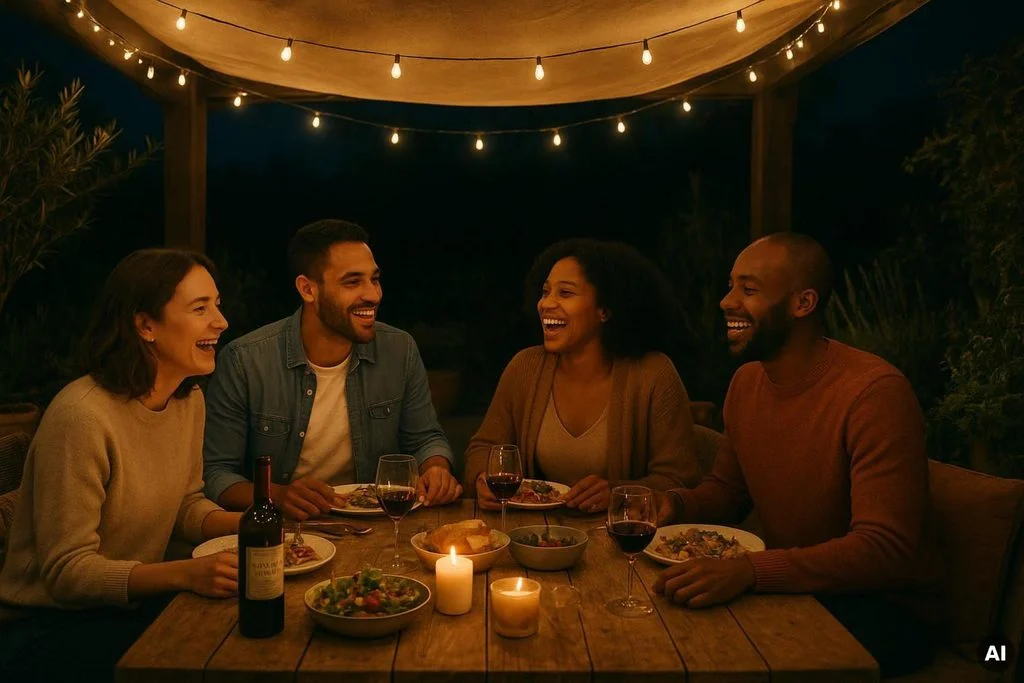
In cities or areas with many nearby homes, privacy is very important. A deployed awning can help block views from outside and provide a sense of intimacy. Side awnings or outdoor curtains are a good extra: they protect from wind, low sun, and help enclose the space for more privacy.
Although it is not their main purpose, a well-tensioned canvas can slightly reduce ambient noise. The fabric can absorb some sound and reduce echo under the cover, making the space more pleasant for conversation. Dark colours can also create a more enclosed and tranquil feeling.
Versatility for Events, Hospitality, and Residential Use
Versatility is one of its strong points. At home, they turn patios and gardens into comfortable areas for relaxing, dining, or gathering with friends. In hospitality, they are very useful for creating attractive and comfortable terraces that are used more throughout the year. A tensioned canvas can cover large areas and reduce the feeling of heat, enhancing the customer experience.
In events and public spaces, tensioned pergolas and canvas awnings are widely used because they are lightweight, durable, and adapt to many places and sizes. In sports facilities or large terraces, you can see how they help create a clean and well-maintained image, and how they reinforce the style of the site with a lasting solution.
Energy Savings Through Light Control
Installing canvas awnings on pergolas can also help reduce energy consumption. By blocking direct sunlight, less heat enters the interior of the home or establishment, and air conditioning is used less in summer. This is noticeable in consumption and on the bill.
On cold or rainy days, a well-designed awning can also block some of the cold air near doors or windows, acting as an extra barrier. Better control of light and temperature makes the home more comfortable and can improve energy efficiency in the long term.
Types of Canvas Awnings and Recommended Configurations for Pergolas
There are many types of canvas awnings for pergolas because not all terraces are used the same way. The choice depends on how much you use it, what climate you have, and how much flexibility you want. Knowing the options helps make a better choice.
Fixed Awning: Permanent Solution for Maximum Protection
Fixed awnings are a good option if you seek constant and strong protection. Unlike retractable ones, they remain in place all the time and provide shade and shelter from rain without having to open and close every day. They work well in areas with a lot of sun or frequent rain, where you also want to protect outdoor furniture.
Among fixed options are tensioned pergolas, which use textile membranes to create lightweight, durable, and well-designed covers. They can be installed quickly and usually do not require deep foundations. They can last between 15 and 25 years. The fabric is usually tensioned with elastic cords (bungees), making it easy to put on and take off seasonally. In windy areas, the elastic helps absorb some of the force and prevents the canvas from flapping in strong gusts.
Retractable and Rollable Awning: Flexibility Against the Weather
If you prefer to adjust the space according to the weather, retractable and rollable awnings are a great option. You can open the canvas for shade or rain protection and roll it up to let the sun in on cool days or to gain light. This flexibility allows you to adapt the pergola to the time of day and each season.
Vélum-type awnings fold like an accordion, provide good shade, and take up little space when rolled up. Rollable roofs function as a cover but with the advantage of being able to roll them up when you want. They can also be automatic. With a motor and remote control, usage is more convenient and can be integrated with “smart” functions for effortless operation.
Tensioned Fabrics and Bioclimatic Pergolas
Textile architecture has advanced significantly, and tensioned fabrics showcase this well. Tensioned pergolas combine an elegant structure with effective solar and thermal protection. They are lightweight, durable, and adapt well to different spaces and climates.

Trending on the web

You may also like