
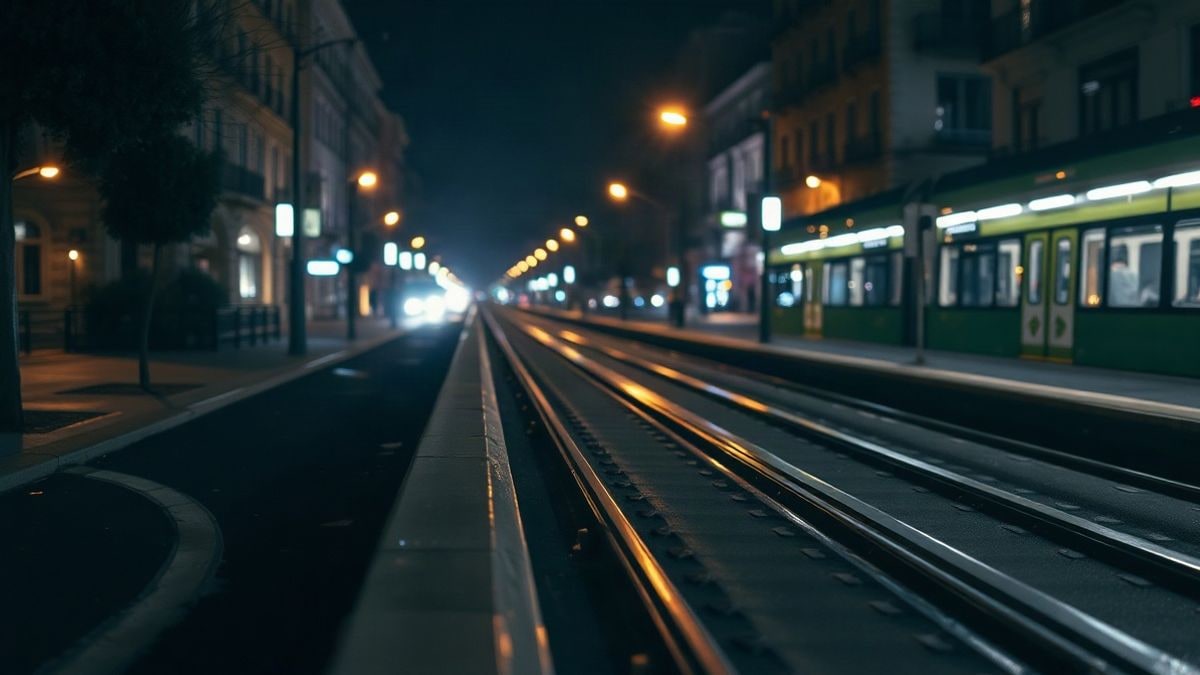
The works for the tram between Verdaguer and Francesc Macià will begin in the summer of 2027, as announced by Mayor Jaume Collboni. The municipal and regional investment exceeds 200 million euros.
The most visible work of the new phase will arrive with the summer of 2027, when the section from Verdaguer to Francesc Macià along the Diagonal starts. This was announced by the mayor, Jaume Collboni, on October 23, with the promise of connecting Baix Llobregat with Barcelonès Nord by 2031.
The approved funding amounts to 120 million euros from the municipality, including VAT, along with 97 million from the Generalitat through the Metropolitan Transport Authority (ATM). This figure includes urban development and a drainage collector with its own utility, an element whose cost should be separated from that of the tram.
The Diagonal was already reformed between 2014 and 2015 in the section between Francesc Macià and Passeig de Gràcia, with an investment of around 20 million euros driven by then-mayor Xavier Trias. The new project will preserve the sidewalks from that work, but will modify the central axis and traffic, meaning the avenue will undergo another long phase of construction eleven years later.
The RACC warned in a previous analysis of potential increases in congestion and emissions on the streets of Eixample. Other studies, such as those from UPC, point to more favourable results, and an economic review by the University of Barcelona from 2017 already showed that small changes in travel times can significantly alter the estimated profitability.
Updated simulations need to be published, crossing by crossing, with risk scenarios and effects on cross buses.
For residents of Eixample and the neighbourhoods connecting to the Diagonal, the practical question is what will happen to the bus lines crossing the avenue during and after the works. According to TMB, by the end of 2025, only 203 of its 1,146 buses were fully electric, and the company plans to incorporate 136 new vehicles by 2027, with an investment exceeding 77 million euros.
The International Energy Agency notes that by 2026, level 4 electric robotaxis are already operating commercially in more than twenty cities. This does not mean they will replace the capacity of a tram during peak hours, but it does open options for access from the neighbourhoods and metropolitan connections.
The schedule places the start of the works in the summer of 2027 and the complete connection with Baix Llobregat in 2031.

Trending on the web

You may also like