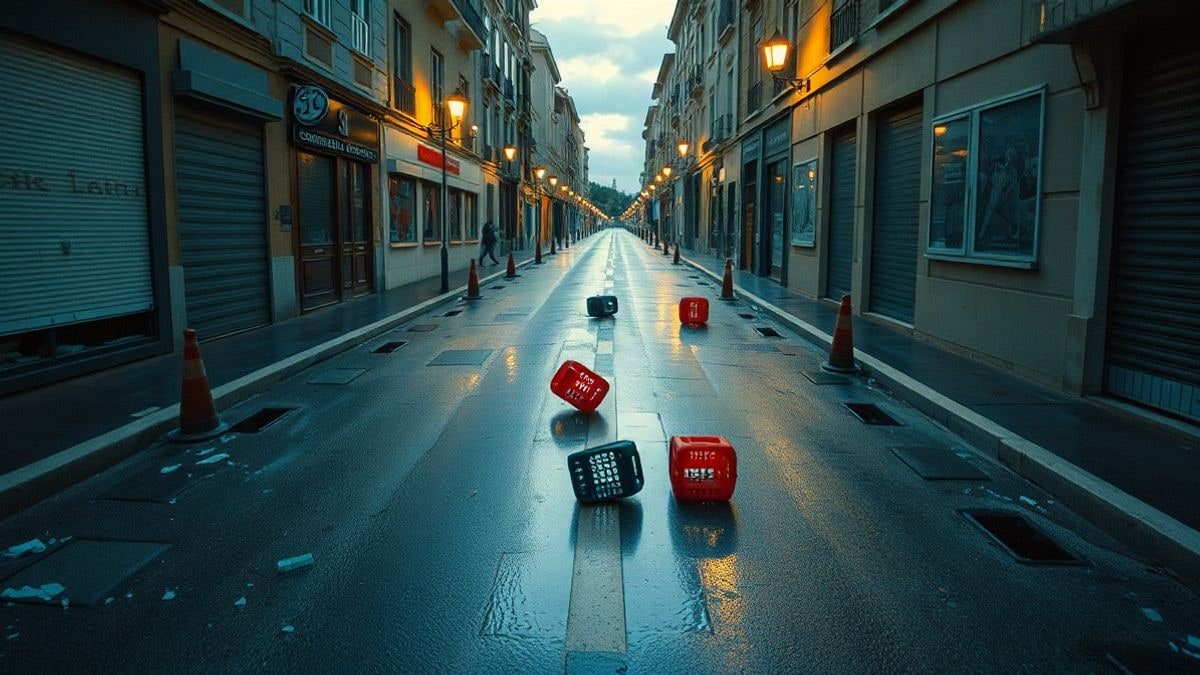
The Mossos d'Esquadra expect another episode of Blocus disturbances on Saturday, October 31, and indicate that there will be more arrests following the 133 arrests from the previous weekend.
The new arrests will add to the 133 detainees from the previous weekend, of which 85 were minors. This was explained by the director general of the Mossos, Ferran López, in the Interior Commission of the Parliament. The criminal investigation remains open and analysts are now reviewing the identifications to determine the role of each arrested individual.
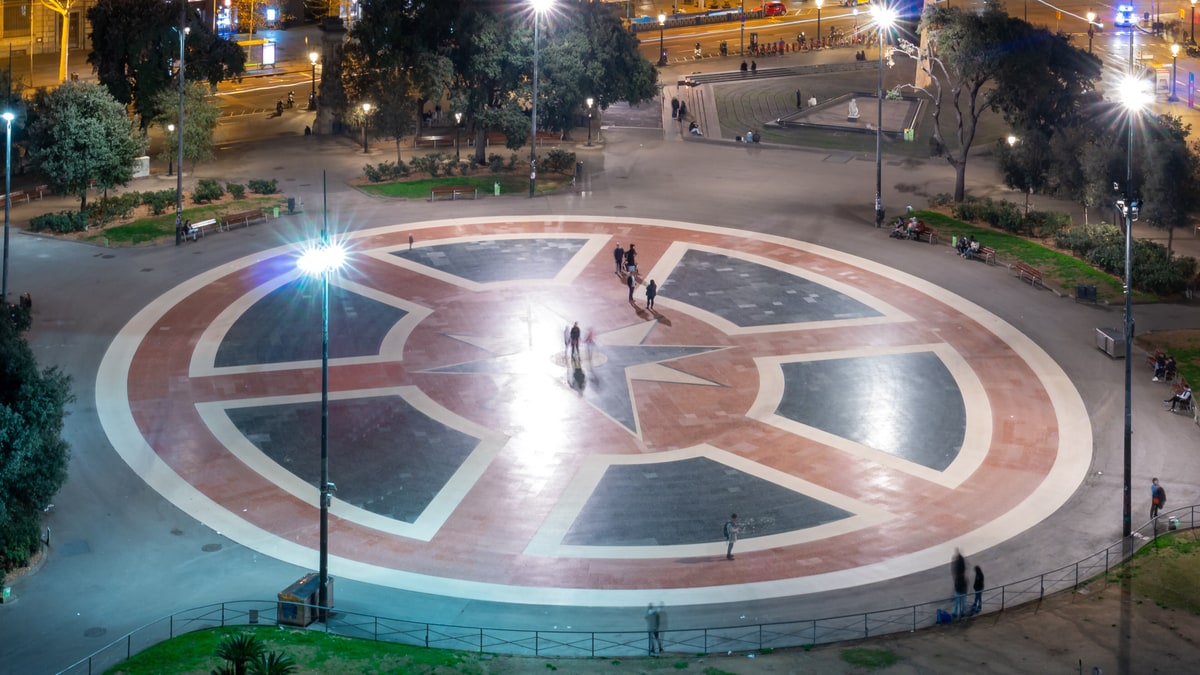
The call did not originate on Saturday, October 24. According to the timeline presented in the parliamentary session, the first WhatsApp groups appeared on Tuesday, October 20. The following day, investigators located a profile with around one hundred followers that was disseminating a poster for that Saturday at 17:00 in Plaza de Catalunya.
The chief commissioner, Sílvia Catà, insisted that a poster or a messaging group alone is not sufficient to conclude that a gathering will end in disturbances. Officers assess who is promoting it, whether there is a specific day, time, and place, how the number of followers grows, and if there are explicit calls for violence.
That afternoon, the deployment was already in place. More than 30 units of public order covered the square and its surroundings, and officers identified 300 individuals and removed pyrotechnic materials, aerosols, and stones before the first projectiles were thrown.
The participants did not form a conventional gathering. They were small groups of young people aged between 12 and 20, dressed in black, who spread out across the centre and retreated upon detecting police presence. At 18:30, the throwing of objects, street blockades, and barricades began, and by 19:00, looting commenced.
The impact was felt in 23 establishments within a perimeter stretching from Plaza de la Universitat to Urquinaona, and from Portal del Ángel to La Rambla. This is the same area that locals, merchants, and visitors traverse daily in central Barcelona.
The Councillor for the Interior, Núria Parlon, has warned of a new episode of violence and has called for family involvement. According to her words, the police response will be:
firm, forceful, and determined.
The other battle is being fought on social media. The Mossos maintain contact with TikTok, Instagram, and Telegram and can legally request user identification or the closure of channels. So far in 2026, they have issued around 1,600 requests of this kind.
Anonymity on social media does not equate to impunity.
The last episode that the force considers comparable is the protests over the imprisonment of rapper Pablo Hasél in February 2021, which involved 17 minors being arrested. On Saturday, October 24, there were 85, five times more.
For October 31, there is also a third avenue open: resorting to the Intelligence Centre against Terrorism and Organised Crime (CITCO), under the Ministry of the Interior, to attempt to block the channels calling for the disturbances to be repeated. According to Catà, this is the only gathering that the General Information Commissioner is monitoring, initiated by an external actor, and it is still unknown who is behind it.
The chief commissioner rules out a widespread threat.
We are not facing a widespread threat to public safety nor an extensive phenomenon among the youth.
Catà describes what occurred as a new phenomenon of youth violence with a loss of respect for police authority.
The Mossos have not specified the deployment for Saturday, October 31, but the pattern from the 24th sets the tone: the critical window begins around 18:00 in the centre of Barcelona.

Trending on the web
You may also like