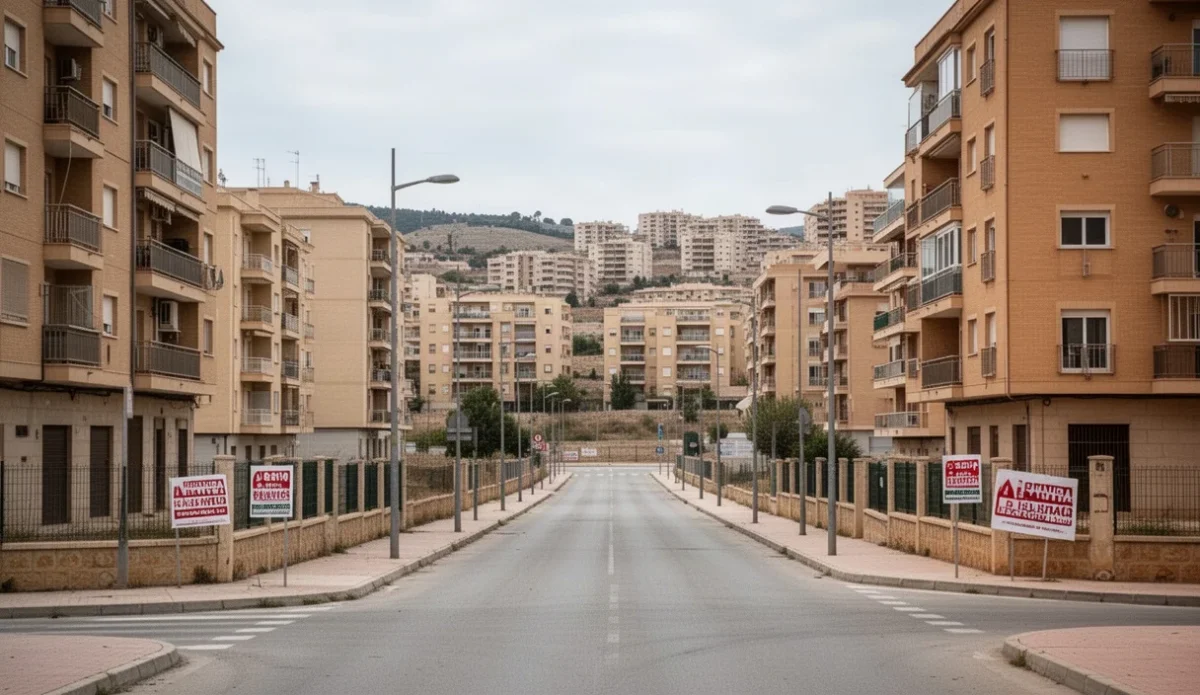
Despite being removed from the tense residential zone, Reus and Tortosa officials warn that housing access remains a critical issue. Local leaders express concerns over rising rental prices.
The recent decision by the Generalitat to remove Reus and Tortosa from the tense residential zone has not alleviated local concerns regarding housing accessibility. Officials from both cities have raised alarms about the continuing challenges residents face in securing affordable homes.
In a move that surprised many, Reus, the largest municipality in Tarragona province, is now outside of this designation. Anabel Martínez, Reus’s councilor for social services and housing, acknowledged the change but voiced skepticism about its implications. She stated, “One of the most important measures we had was rent control. If we can’t implement it now, we are uncertain about what will happen next.”
Martínez emphasized that despite this regulatory shift, many families still struggle to find affordable housing options. The average rent in Reus was reported at 576.27 euros per month in 2025; however, current listings show minimum rents starting at 674 euros, with some properties reaching as high as 1,800 euros. This trend indicates a worrying alignment with Barcelona’s rental market.
The situation is further complicated by reactions from neighboring municipalities like Vila-seca and Vandellòs i l’Hospitalet de l’Infant, which welcomed their inclusion in the tense zone while urging the government to streamline construction processes to address housing shortages.
The real estate sector has also expressed concern over recent changes. Real estate agents have warned that these adjustments could create instability for property owners and potentially reduce available rental units. Guillem Jové from the Sindicat d’Habitatge de Reus described the government’s decision as “reckless” and called for a reassessment of criteria used to determine housing zones.
Jové pointed out that since the announcement of Reus’s removal from the tense zone status, there have been reports of landlords pressuring tenants into signing new contracts without any rent controls in place. He noted that “we are approaching prices seen in Barcelona,” highlighting how misleading statistics can mask true market conditions.
The city council is actively working on several initiatives aimed at improving housing availability. These include two new developments expected to provide around 200 apartments, along with plans for rehabilitating existing spaces into livable units under their Pla 50.000 initiative.
This ongoing crisis reflects broader trends seen across Spain where urban centers grapple with soaring rental costs amid stagnant wages. Historical data shows that similar patterns emerged during previous economic booms when demand outstripped supply significantly.
As discussions continue between local authorities and regional government representatives regarding potential extensions of previous measures designed to mitigate these issues, residents remain anxious about their future living conditions.
For those seeking affordable housing options in Reus or Tortosa, it may be beneficial to explore community resources or contact local advocacy groups for assistance navigating this challenging landscape.

You might also be interested in