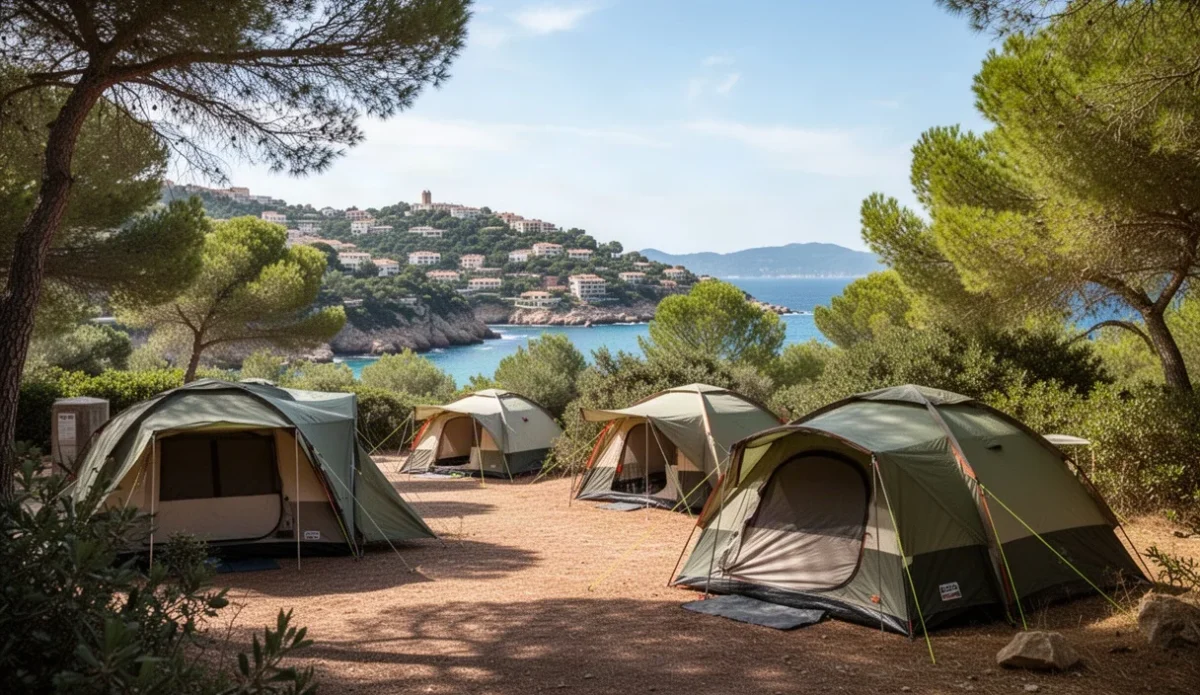
Campgrounds in Girona are hiring 27 skilled workers from Latin America this summer to address labor shortages. This initiative aims to enhance service quality amid a challenging job market.
This summer, 27 skilled workers from Honduras, Mexico, and Colombia have been hired by the Associació de Càmpings de Girona to tackle the ongoing labor shortage in the region’s tourism sector. The initiative is part of a pilot program aimed at ensuring that local campgrounds can maintain high service standards during peak tourist season.
The program has brought in individuals like Héctor Palma, a 28-year-old from Honduras who previously worked in Minnesota. He is currently employed as a kitchen assistant at Camping Las Dunas in Sant Pere Pescador until the end of September. Palma expressed gratitude for this opportunity, stating, “In Honduras, there are many people who want to work, but opportunities are scarce.” He learned about this job through his country’s Ministry of Labor.
The president of the Associació de Càmpings de Girona, Miquel Gotanegra, emphasized that while local talent remains a priority, recruiting skilled workers from abroad is essential for meeting demand during busy periods. He noted that approximately 75% of vacant positions within the hospitality sector remain unfilled due to various challenges.
The difficulties faced by employers include not only a lack of qualified personnel but also issues such as absenteeism and long working hours. A hotel director from Lloret de Mar highlighted that finding qualified staff during peak season has become increasingly difficult. “In July alone, we had about twenty unexpected departures,” he said anonymously.
The situation has worsened since the COVID-19 pandemic reshaped employment dynamics within the hospitality industry. Many former employees opted for jobs with better hours and conditions after experiencing extensive lockdowns and restrictions.
According to data presented by Manuela Redondo, head of the Observatori de Treball i Model Productiu de la Generalitat, around 84,000 tourism workers in Catalonia will retire before 2030. This represents approximately 16.6% of all employees in this sector. With an estimated need for around 10,000 new workers on the Costa Brava alone, addressing these gaps is critical for sustaining tourism.
The challenge extends beyond recruitment; it also involves retaining staff who often leave due to inadequate recognition or unfavorable working conditions. The director of l’Escola d’Hostaleria de Girona pointed out that many trained hospitality professionals abandon their roles because they find better opportunities elsewhere or feel undervalued compared to untrained individuals earning similar wages.
This pilot program represents an innovative approach to mitigating staffing shortages by tapping into international talent pools while simultaneously addressing local employment needs. Frederic Suñé, manager at Camping Las Dunas, noted that they have explored various markets over recent years and found success with this new strategy.
The decision comes amid rising concerns about labor availability across Spain’s coastal regions where seasonal employment peaks during summer months. As competition intensifies among businesses vying for limited qualified personnel, many establishments resort to hiring students or less experienced staff members which can impact service quality.
The future remains uncertain as employers continue seeking solutions to attract and retain skilled laborers amidst changing workforce expectations post-pandemic. For those interested in applying for positions at Girona’s campgrounds or other hospitality venues this summer season should check local listings or visit specific campground websites directly for more information on available roles and application processes.

You might also be interested in