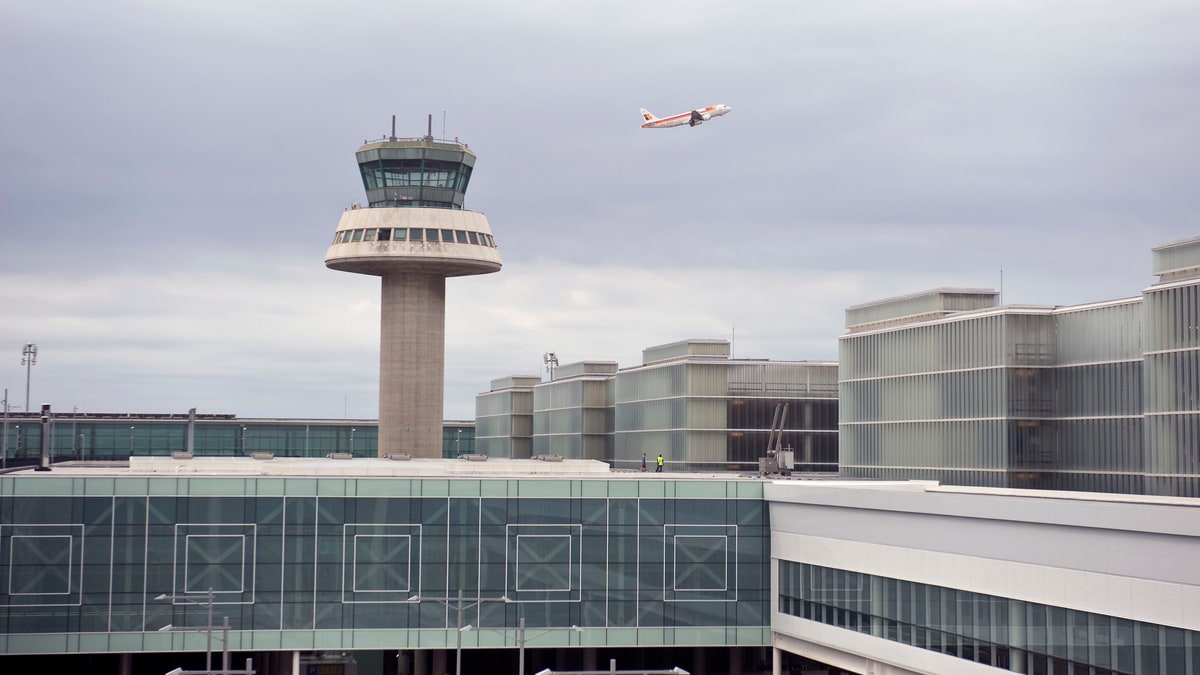
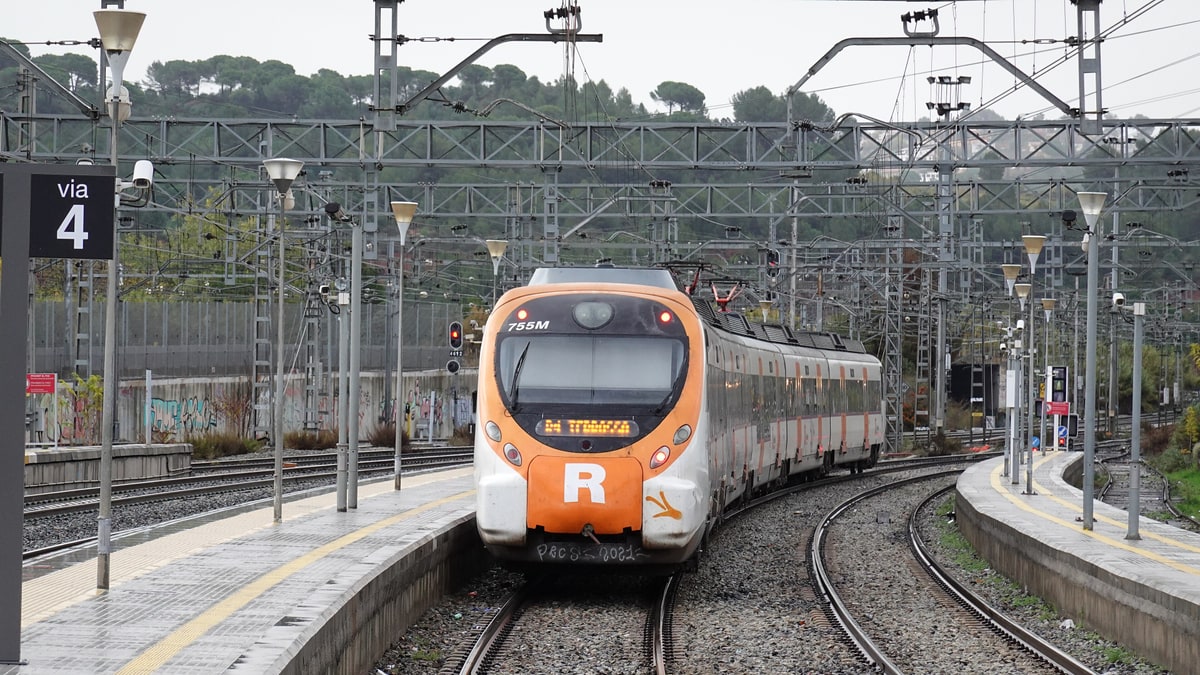
The transfer of the R1 to the Generalitat remains blocked at the Ministry of Transport, and the government does not expect to close it before the end of the year. The delay also affects the transfer of the R2 Sud, which serves El Prat, Gavà, Viladecans, and Castelldefels.
The transfer of the R1 of Rodalies to the Generalitat has been stuck at the Ministry of Transport for months, and according to vilapress.cat, this blockage is beginning to affect the railway roadmap of the Baix Llobregat. The first phase, agreed upon in autumn 2023, only affects the northern coastal stretch, between La Sagrera and Maçanet-Massanes, but the paralysis in Madrid delays the schedule for the entire package.
The government is hopeful that the operation will go ahead, although they acknowledge concerns due to the lack of interlocutors following the change in leadership of the department, now headed by Carlos Cuerpo, and the departure of the Secretary General of Transport. Additionally, there is a need to reform the Railway Sector Law. In the last Bilateral Commission Generalitat-State, prior to the general elections on 29-N, both administrations only agreed that the working group would continue defining the legal procedures.
For users in the Baix Llobregat, the problem has two sides. On one hand, the management of the same line remains divided between administrations. On the other hand, improvements are stalled on a route that records 190 trains each weekday and nearly 130,000 passengers daily. The R1 connects with the centre of Barcelona and the northern coast from stations like Cornellà de Llobregat, Sant Joan Despí, Sant Feliu de Llobregat, and Molins de Rei.
As long as the first stretch is not legally unblocked, including the reform of the statutes of the State Agency for Railway Safety through the Permanent Deputation of Congress, the entire line cannot be unified under Catalan ownership. Improvements in frequencies between both metropolitan ends cannot be addressed either.
The effect then reaches the coast. The government's plan stipulates that the transfer of the R2 and R3 will only be activated once the transfer of the R1 is closed, meaning that each month of delay in Maresme also postpones negotiations for the corridor serving the coastline of Baix Llobregat.
This corridor is the R2 Sud, which has a high density of passengers, serving El Prat de Llobregat, Gavà, Viladecans, and Castelldefels. Railway sources warn that its transfer will not be a mere formality. Unlike the R1, which can be segregated from the General Railway Network as it is an exclusive commuter branch, the R2 Sud shares tracks with freight trains and medium and long-distance services. This coexistence will require a more complex technical and safety arrangement between the Generalitat and the State before management passes to Catalan hands.

You may also like