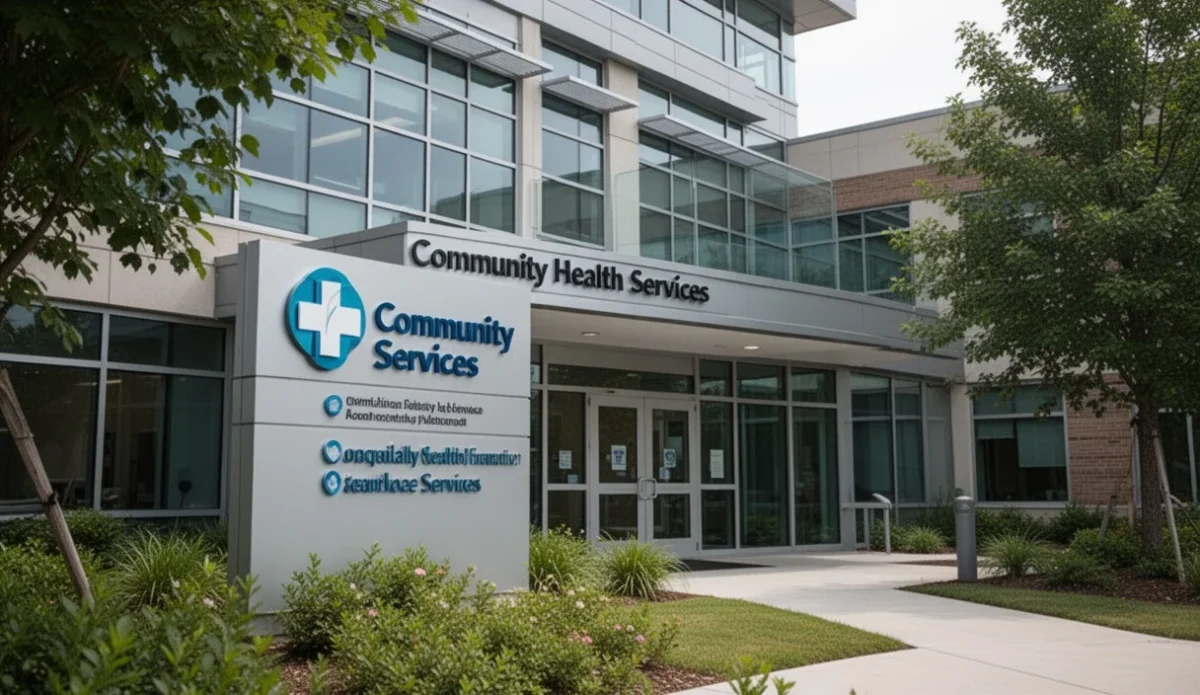
On June 18, 2026, the Hospital Evangèlic de Barcelona unveiled its new Community Unit for Fragility, a groundbreaking facility aimed at enhancing care for vulnerable patients. The inauguration was attended by Marta Villanueva, the city’s Health Councilor, who emphasized the importance of this initiative in addressing the needs of fragile individuals within their communities.
New facility aims to reduce hospital admissions
The Community Unit spans an impressive 400 square meters and is designed as a collaborative effort between primary care services from the Institut Català de la Salut and the Hospital Evangèlic de Barcelona. This partnership is further supported by the Consorci Sanitari de Barcelona (CSB), marking a significant step forward in healthcare delivery in Catalonia.
This innovative unit features a multidisciplinary team equipped with specialized therapeutic tools to provide timely responses to health complications faced by fragile patients. By focusing on early intervention, the unit aims to minimize unnecessary hospital admissions and enable individuals to maintain their independence while living in their communities.
Marta Villanueva highlighted that this facility represents a crucial advancement in healthcare accessibility and quality for vulnerable populations. “This is not just about treating illness; it’s about fostering an environment where our most fragile citizens can thrive,” she stated during her speech at the opening ceremony.
The establishment of this unit reflects a broader trend towards integrated care models that prioritize community-based solutions over traditional hospital settings. As healthcare systems worldwide grapple with increasing demands and limited resources, initiatives like this one could serve as a blueprint for similar projects across Spain and beyond.
Villanueva’s remarks underscored the necessity of collaboration among various health sectors to create effective support systems for those who are often overlooked. The Community Unit for Fragility not only addresses immediate health concerns but also contributes to long-term well-being by allowing patients to remain connected with their families and communities.
The launch of this facility comes at a time when there is an urgent need for innovative approaches in healthcare delivery. With an aging population and rising rates of chronic conditions, facilities like the Community Unit are essential in ensuring that vulnerable groups receive appropriate care without being isolated from their social networks.
“This initiative will change lives,” Villanueva added, emphasizing its potential impact on patient outcomes.
The Hospital Evangèlic de Barcelona’s new unit stands as a testament to what can be achieved through strategic partnerships and forward-thinking policies aimed at improving public health infrastructure. As other regions look to enhance their own healthcare services, they may find inspiration in Barcelona’s commitment to supporting its most fragile residents.

You might also be interested in