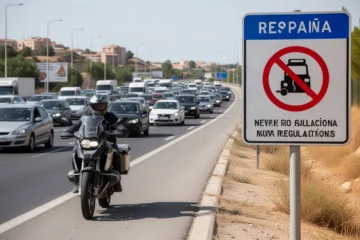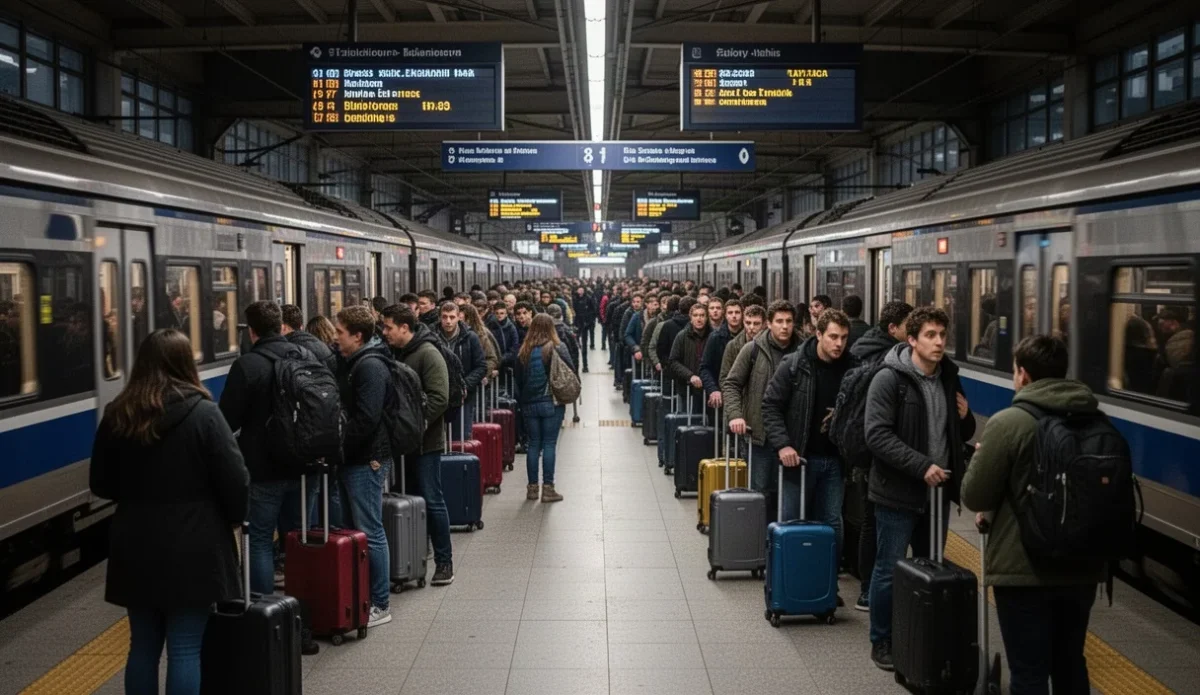
Thousands of travelers faced severe disruptions in train services following the solar eclipse, leading to long delays and overcrowded conditions. Adif admits to a lack of foresight in managing the surge in demand.
Following the total solar eclipse on August 12, thousands of passengers found themselves stranded or delayed as train services across southern Catalonia collapsed under unprecedented demand. The chaos was particularly evident at Tarragona station, where frustrated travelers experienced long waits and overcrowded trains.
The operational manager of Rodalies, David Andrés, acknowledged that Renfe and Adif had not adequately prepared for the influx of passengers. He stated, “We put everything we had available into operation, doubling all the trains we could.” However, many users were left disappointed by what they described as a minimal response to a significant event.
Reports indicated that stations like Tarragona and Torredembarra saw their usual passenger numbers double on the day following the eclipse. The R16 line experienced an increase from 1,800 daily users to approximately 3,600, while R15 recorded a surge of over 600 additional validations, marking a staggering 60% rise compared to normal operations.
In an attempt to alleviate some of the pressure, an emergency train was dispatched from Tortosa late at night. This last-minute addition managed to transport around one hundred passengers but fell short of meeting overall demand. “The plan was clearly insufficient,” admitted Benjamin Mola, an Adif employee at Tarragona station.
The aftermath saw scenes reminiscent of past transport crises in Spain; similar disruptions occurred during major events like the 2004 Madrid train bombings when emergency protocols were overwhelmed. Such historical precedents highlight ongoing challenges within Spain’s rail infrastructure during peak times.
The situation escalated further due to signaling issues in Castelldefels that limited train passage to just two per hour in each direction. Many travelers missed their chance to view the eclipse at its peak due to these delays.
“We knew there would be high traffic,” Andrés reiterated. “But our resources are limited.”
This admission has drawn ire from political opponents such as Junts and PP, who have called for accountability from Catalonia’s government led by Salvador Illa. They criticized both the operational failures and what they perceive as opportunistic promotion surrounding the eclipse event.
“Who decided on such an obviously inadequate transport operation?” questioned Junts representatives.
The backlash has prompted calls for immediate improvements ahead of future events that may similarly strain transportation networks. Andrés assured that new trains currently being manufactured will enhance capacity by early 2027.
The crisis serves as a reminder for authorities about the importance of robust planning for large-scale public events. As preparations begin for upcoming astronomical phenomena expected later this year, stakeholders are urged to prioritize effective communication and resource allocation.
Travelers seeking updates on future rail services can check Renfe’s official website or contact customer service directly for real-time information regarding schedules and potential disruptions.

You might also be interested in