The high-speed route between Madrid and Barcelona has lost **1.6 million** passengers in **nine months**. The stations in Camp de Tarragona and Gerona fear the impact of a possible reduction in services.
According to El Debate, passengers on the high-speed route between Madrid and Barcelona have dropped by 13% since the tragedy of Adamuz. The corridor has 44 daily trains, of which 25 are from Renfe, 14 from Iryo, and 5 from Ouigo, equating to 88 round trips.
Distrust in train safety has pushed many travellers towards the Puente Aéreo, which gained 4.2% more passengers between January and September. Nevertheless, air travel does not compensate for what the train leaves behind, and the balance points to a lower number of trips between the two cities.
The Catalan business association Pimec has estimated the cost of a possible closure of the corridor at 922 million euros. This idea was hinted at by the Minister of Transport, Óscar Puente, who later denied it, while the president of the Generalitat, Salvador Illa, outright rejected it.
According to the same organisation, a 30% reduction in the service between Barcelona and Madrid would cost 1.409 million over five years, adding higher travel costs, lost profits, and wasted time.
The impact would not only affect the two capitals but also the cities with stops along the route.
Among these cities are Tarragona, Lérida, Zaragoza, Calatayud, and Guadalajara. A study by the Colegio de Economistas de Cataluña, dated 2019, found that there was a 3.3% increase in businesses created in the six provinces through which the line runs, related to the ease of connecting with Madrid and Barcelona. The same study mentions a 1.08% improvement in the productivity of these businesses.
In Camp de Tarragona, the station is the gateway to Port Aventura and the Costa Dorada, with Salou as the main destination. 67% of the 5.3 million visitors to the park arrive at the coast by train, so any restrictions would directly impact tourism in the area.
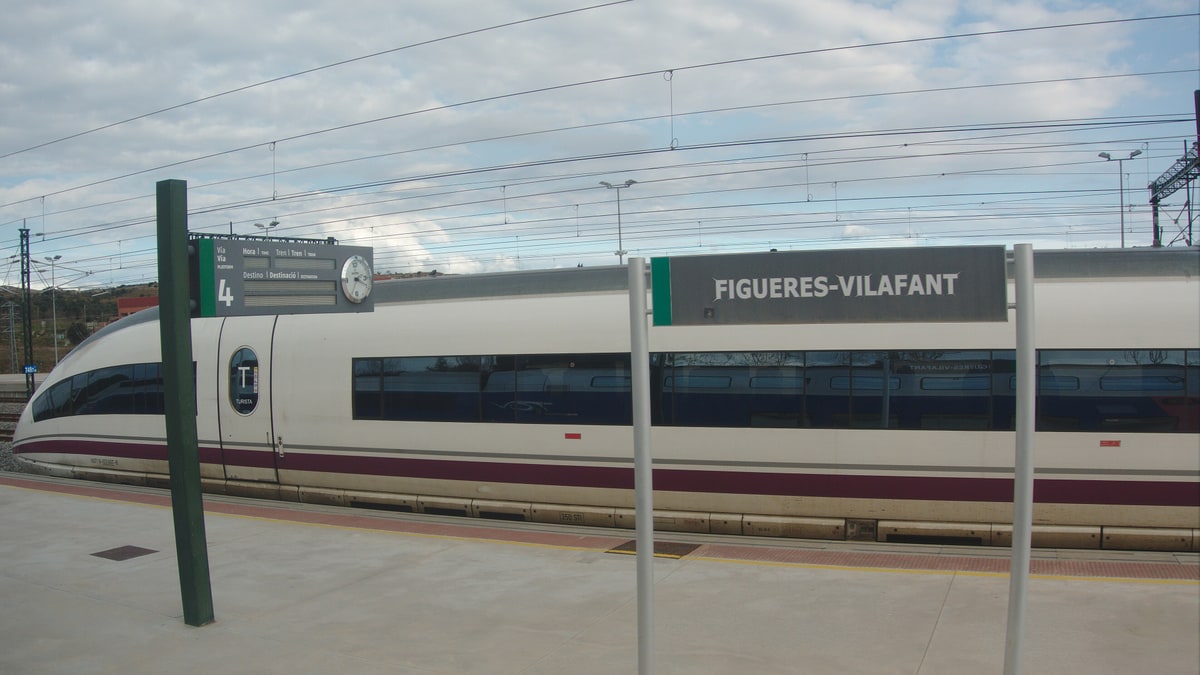
Further north, the Figueres-Vialfant station, the last AVE stop in Spain, received 1.5 million passengers last year. Its main attraction, the Dali Museum, closed last year with 760,000 visitors, and the rail connection is key for the Costa Brava.
In Calatayud, which has 15 daily stops, the delay of the NCI Aragón university project has already caused discontent. They look to the case of Segovia, where the IE campus revitalised the city, and they rely on high-speed rail to attract students from Madrid and Barcelona.
Gerona and Guadalajara, the stops closest to Barcelona and Madrid, have grown significantly thanks to the AVE. Many people have moved to these cities for cheaper housing but continue to work in the capitals, so any cuts in schedules would affect their life plans. The flow of madrileños to Guadalajara has been increasing since 2003, when the Atocha-Guadalajara Yébenes section opened.

Trending on the web

You may also like