The internal basins of Catalonia store **531.8 hm³** of a total capacity of **678.07 hm³**, which equates to **78.30%** on **November 7**. This data allows for tracking water availability in the region.
According to El Periódico, the water stored in the internal basins of Catalonia reached 78.30% of its capacity on November 7. In absolute figures, this is 531.8 hm³ stored against a total capacity of 678.07 hm³.
This situation follows the droughts of 2023 and 2024, which necessitated close monitoring of reserves. The rains of 2025 and 2026 have helped to recover the level of the reservoirs, although ongoing monitoring remains crucial for planning supply.
The official data comes from the Catalan Water Agency, which publishes the percentage of stored water, the available volume, and the evolution of each reservoir. This information allows for comparisons between reservoirs and shows how reserves change from day to day.
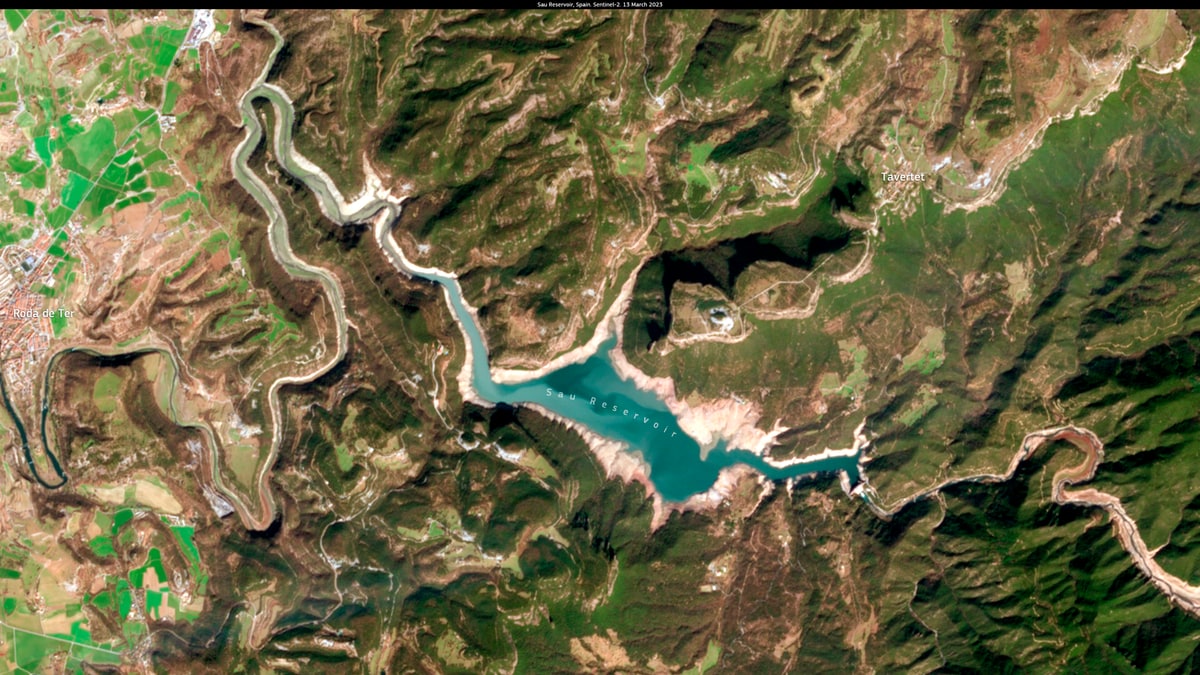
The Ter-Llobregat system is one of the main supply networks and serves a significant portion of the population in the areas of Barcelona and Girona, as well as other municipalities. It includes five reservoirs: Sau, in Vilanova de Sau (Osona); Susqueda, in Osor (La Selva); la Baells, in Cercs (Berguedà); la Llosa del Cavall, in Navès (Solsonès), and Sant Ponç, in Clariana de Cardener (Solsonès).
To check the level of each reservoir on the day, simply visit the website of the Catalan Water Agency, where data on the internal basins is updated.

Trending on the web

You may also like