The Barcelona City Council is set to conduct a comprehensive inventory of local sports facilities, responding to concerns raised by Junts. This initiative aims to enhance community sports infrastructure as the city prepares for the upcoming Tour de France.
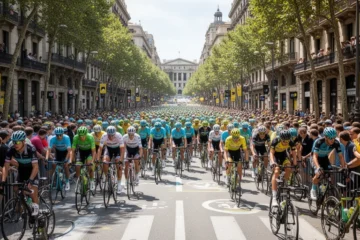
The Barcelona City Council is taking significant steps to address the state of its local sports facilities, coinciding with the city’s preparations for the prestigious Tour de France. In a recent municipal meeting, the political party Junts, led by Jordi Martí, proposed an initiative to create a detailed inventory of all municipal sports installations. This move aims to develop a ten-year plan focused on improving and strengthening sports infrastructure across all ten districts of Barcelona.
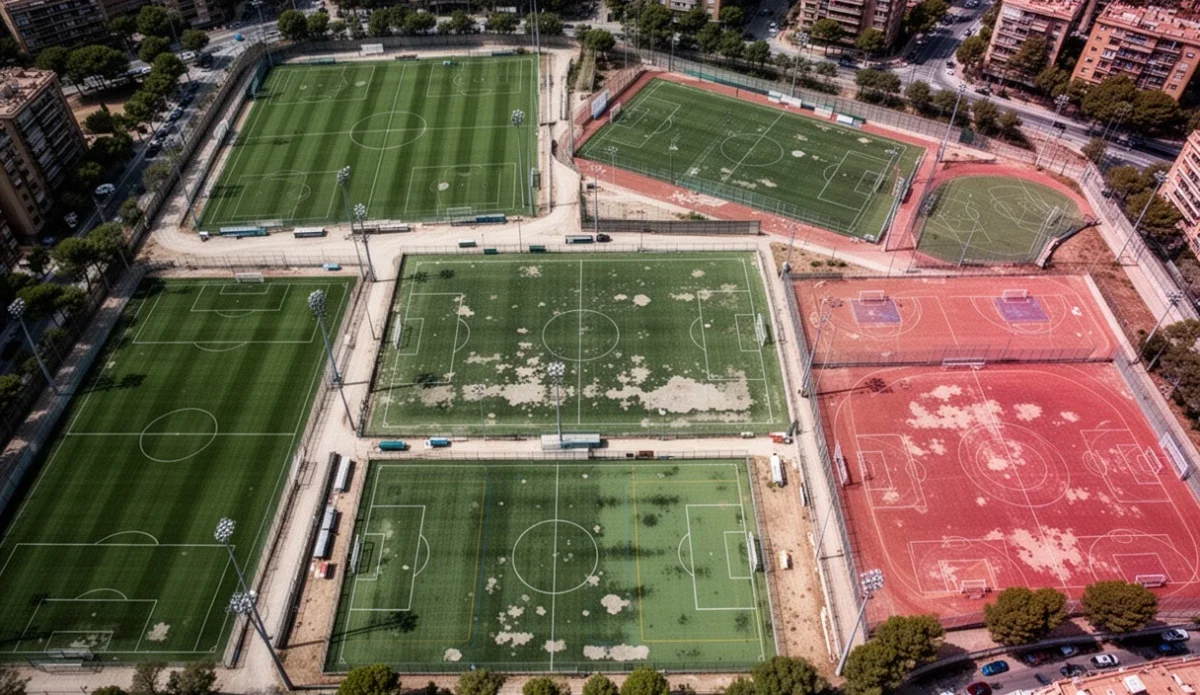
As major events like the Tour de France bring international attention to Barcelona, concerns have been raised about neglected local amenities. Junts highlighted that many neighborhood sports facilities are in disrepair or lack adequate training spaces for local teams. The proposal presented at the council meeting seeks not only to catalog these facilities but also to assess their condition and identify necessary investments.
Although this proposal is non-binding, it received unanimous support from all municipal groups during voting. This consensus places moral pressure on the ruling PSC party to act on this mandate. The proposed inventory will include a thorough evaluation of each facility’s condition and prioritize improvements based on objective criteria such as age, structural integrity, usage levels, and social impact.
David Escudé, the city’s Sports Councillor, acknowledged that Junts’ demands align with ongoing efforts within the council. He dismissed criticisms suggesting that too much focus has been placed on large-scale events at the expense of local needs. The agreement reached among six municipal groups also includes plans to expedite upgrades at CE Europa and UE Sant Andreu fields, with funding allocated for natural grass installation in 2026.
Martí expressed disappointment that opportunities presented by high-profile events like the Tour de France have not been fully leveraged to enhance cycling infrastructure in Barcelona. He pointed out projects such as covering the Velódromo—a proposal that received unanimous approval last April—as examples of how community needs can be addressed alongside major sporting events.
This initiative reflects a growing recognition within city governance that while global events elevate Barcelona’s profile, there must also be a commitment to nurturing grassroots sports development. As cities worldwide grapple with balancing large-scale tourism and local community needs, Barcelona’s approach could serve as a model for others facing similar challenges.
Residents interested in following developments regarding their local sports facilities can stay updated through official city communications or attend upcoming council meetings where these topics will be discussed further.

You might also be interested in