A chance find by a passerby has led to the discovery of a Roman burial site near Castelldefels. This significant archaeological find may reshape local historical narratives.
A routine walk near the historic castle of Castelldefels turned into an extraordinary archaeological discovery when a passerby spotted unusual tiles and materials on the surface. This serendipitous moment prompted a call to Alfonso López from the Historical Research Group of Castelldefels (Grehic), leading to an excavation directed by archaeologist Pere Lluís Artigues. What they uncovered was not just remnants of ancient civilization but a burial site that could redefine the understanding of this region’s history.
The excavation, funded by the city council and supported by Grehic, revealed the skeleton of an adult woman, tentatively dated to the 2nd century AD. According to Artigues, “This is a typical burial from the Roman era.” The remains were found without any accompanying grave goods, which is often indicative of specific cultural practices during that time.
The positioning of the skeleton aligns with the sunrise, suggesting ritualistic significance in its placement. The tomb itself was covered with tégulas, traditional Roman roofing tiles, raising questions about its construction—whether it was flat or had a triangular roof structure similar to other Roman sites like Tarraco or Barcino.
Interestingly, parts of the skeleton were missing, including bones from the feet and upper skull. Artigues speculates that these alterations may have occurred during 20th-century renovations nearby. “The tomb appears to have been disturbed,” he noted.
This discovery is particularly noteworthy as it lies outside what was previously thought to be the boundaries of ancient settlements in Castelldefels. Historical documents indicate that this area has been significant since at least September 29, 967 AD, but evidence suggests that it was built over an earlier Iberian settlement. Artigues emphasized that this finding extends our understanding beyond what was previously documented about Roman habitation in this locale.
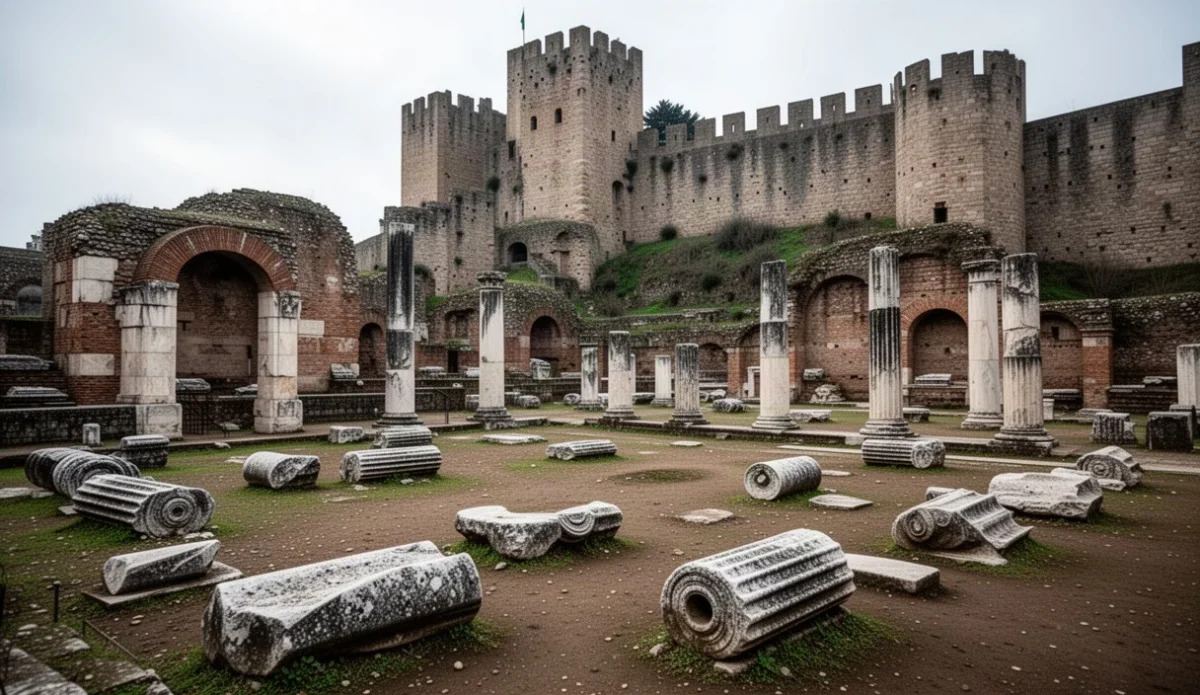
The castle itself sits atop various well-documented construction phases from its Roman villa origins. The recent findings suggest that these ancient inhabitants might have occupied more land than initially believed.
This isn’t Castelldefels’ first brush with ancient funerary practices; back in 1989, another significant artifact—a monument dedicated to Gay Trocina Synecdemus—was discovered embedded in a wall nearby. This monument commemorates two freed slaves who lived between the late first century and early second century AD.
The newly found tomb is located close to an old path believed to connect the villa with nearby beaches, likely facilitating trade and communication between communities. Artigues pointed out that further excavations are essential for uncovering more about this ancient route and its significance.
The city council has expressed willingness to support ongoing research efforts at this site. Currently, only a small section has been excavated over four days; however, there are plans for more extensive digs in hopes of revealing additional artifacts and insights into life during Roman times in Castelldefels.
This remarkable find not only enriches local history but also invites residents and visitors alike to engage with their heritage actively. For those interested in exploring these historical sites further or participating in future excavations, updates will be available through local news outlets and community boards.

You might also be interested in