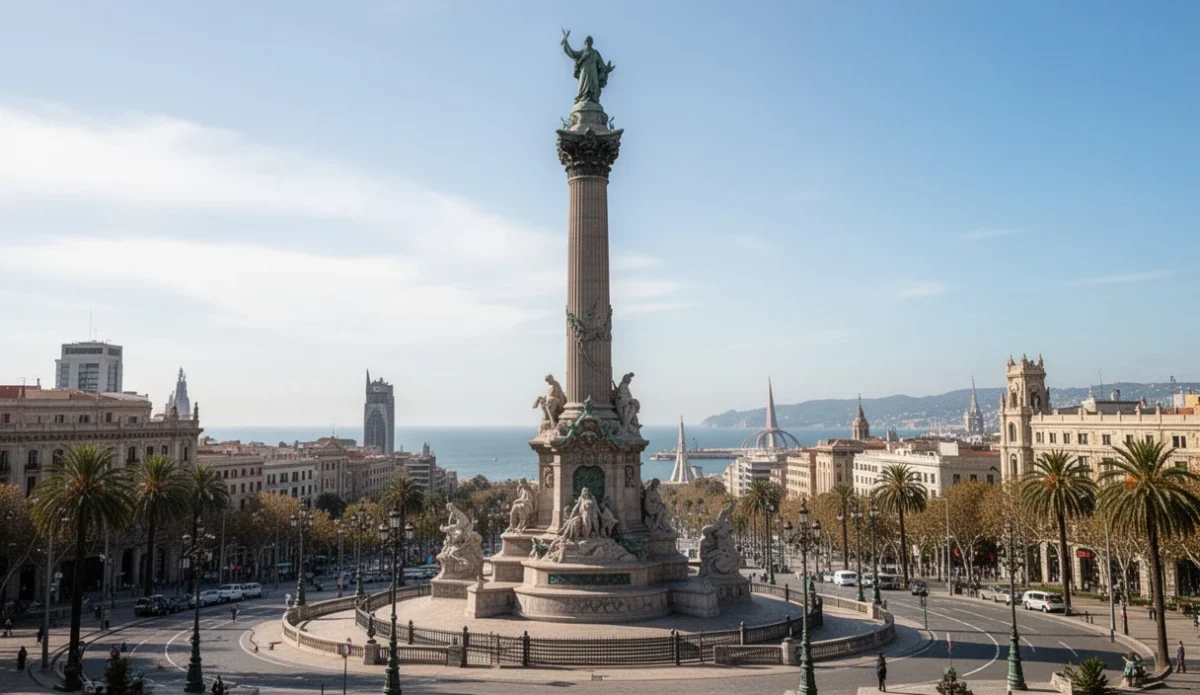
The Columbus Monument in Barcelona, once a bustling attraction, now sees dwindling visitor numbers. A recent initiative aims to revive interest and engagement with the site.
Once a prominent symbol of exploration, the Columbus Monument in Barcelona is facing an identity crisis as it grapples with declining visitor numbers. Despite its iconic status and stunning views from its 50-meter height, the monument has become largely overlooked by locals and tourists alike.
Recent reports indicate that only around 30,000 visitors explored the monument in 2024, a stark contrast to its peak in 1994 when it attracted 124,000 visitors. This drop raises questions about how such a recognizable landmark can become so neglected.
The monument’s location at Portal de la Pau may contribute to its obscurity. Situated at the foot of La Rambla—a popular but often crowded promenade—the entrance is not easily noticeable. Many residents are unaware that they can ascend to the top via what was once Barcelona’s first elevator.
A recent initiative led by Oriol Espuny has sought to rekindle interest in this historical site. He proposed placing a guestbook at the base of the monument where visitors can share their thoughts or sketches. This idea has transformed into what Espuny describes as a “wonderful analog Instagram,” capturing memories and sentiments from those who visit.
“I didn’t expect so many messages,” Espuny remarked while flipping through the pages filled with reflections from both locals and tourists.
The history of the monument is not without its challenges. In May 2012, six individuals became trapped in the viewing platform for six hours due to mechanical failure during a holiday weekend. They were eventually rescued using a crane, leading to over a year of repairs before reopening in June 2013.
This incident was not isolated; over the years, various events have drawn attention—both positive and negative—to Columbus himself. In recent years, activists have used his statue as a platform for social messages: Open Arms placed a life vest on him in 2018 to raise awareness about migration issues, while Greenpeace staged protests against climate change directly on his pedestal.
The mixed feelings surrounding Columbus reflect broader societal debates about historical figures and their legacies. As one visitor noted after returning decades later: “I’m here with a mix of emotions.” Such sentiments echo throughout Espuny’s guestbook as people grapple with their personal connections to this emblematic figure.
The monument’s design includes an elevator that ascends rapidly—now taking only thirty seconds compared to five minutes back when it first opened in 1889. However, some visitors report feeling uneasy due to slight swaying at the top caused by wind currents—a phenomenon reminiscent of experiences atop other famous structures like the Eiffel Tower.
“It was an unforgettable experience,” wrote one woman who revisited after being trapped there years earlier.
Despite these efforts and stories shared within its pages, revitalizing interest remains challenging. The stark contrast between past glory and current obscurity highlights an urgent need for innovative strategies that engage both locals and tourists alike. As cultural offerings along La Rambla evolve over time, perhaps new programming or partnerships could breathe fresh life into this historic landmark.
For those interested in visiting or rediscovering this piece of Barcelona’s heritage, tickets are available for €10 at Portal de la Pau. The experience promises not just breathtaking views but also an opportunity to connect with history—if only more people would take notice.

You might also be interested in