Jordi Borja, a key figure in Barcelona's urban development, passed away, leaving behind a legacy of citizen-focused city planning. His work shaped modern municipal governance.
Barcelona has lost one of its most influential urban planners, Jordi Borja, who passed away on July 10, 2026. Known for his unwavering commitment to creating a city that prioritizes its citizens, Borja’s life was marked by activism and innovative urban theory. His contributions were pivotal in shaping the democratic landscape of municipal governance in Catalonia and beyond.
Borja’s journey began at the age of 18 when he recognized the oppressive nature of Franco’s dictatorship as a barrier to societal progress. This realization ignited his passion for political activism, leading him to join the PSUC, a significant force in Spain’s clandestine resistance movement during those turbulent times. His political activities forced him into exile in Paris in 1962, where he continued his education at the Sorbonne, focusing on sociology and geography applied to urbanism.
His time in France coincided with the May 1968 protests, further solidifying his belief in grassroots movements and collective action. Upon returning to Spain after the transition to democracy, Borja became an instrumental figure in local politics. He served as deputy mayor under Pasqual Maragall and played a crucial role in drafting the Municipal Charter that laid the groundwork for decentralized governance and citizen participation through district councils.
As co-architect of what is now known as the Barcelona Model, Borja’s vision extended beyond mere urban planning; it encompassed social justice and community empowerment. He believed cities should serve their inhabitants democratically while enhancing their quality of life through thoughtful design and functionality. His collaborations with architects helped bridge theoretical concepts with practical applications.
Borja was also ahead of his time regarding multiculturalism and tolerance within urban spaces. He viewed cities as melting pots where diverse cultures could coexist harmoniously—a perspective that resonates strongly today amid global challenges related to migration and integration.
Throughout his career, he taught at various universities across Europe and Latin America while advising progressive municipal governments worldwide. His influence reached far beyond Barcelona; he inspired countless leaders committed to improving urban living conditions globally.
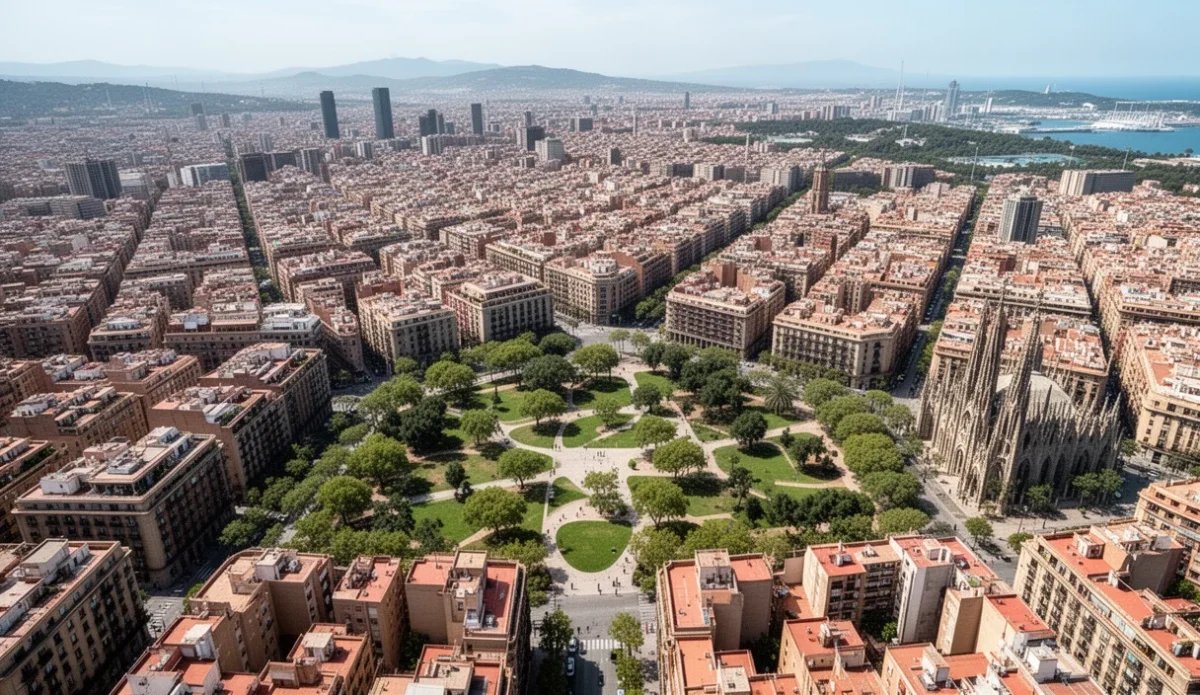
The impact of Borja’s work can be seen today as millions flock to Barcelona not just for its beauty but for its vibrant community spirit—a testament to his lifelong dedication to enhancing city life. Historical comparisons reveal that similar transformative figures have emerged during critical periods; for instance, Jane Jacobs’ advocacy for community-centered urban planning reshaped New York City in the mid-20th century.
Borja leaves behind a legacy characterized by passionate advocacy for civic engagement over bureaucratic indifference. He often criticized those who prioritized personal gain over public service within political spheres—an ethos that will continue to inspire future generations.
As Barcelona reflects on this profound loss, it is essential not only to honor Borja’s memory but also to embrace his vision for an inclusive city where every voice matters. The challenge now lies in ensuring that young people understand that another way of living is possible—one rooted in community collaboration rather than individual ambition.
For those wishing to pay their respects or learn more about Jordi Borja’s contributions, memorial events are being organized throughout Barcelona over the coming weeks at various cultural centers dedicated to civic engagement.

You might also be interested in