The Recinte Modernista de Sant Pau opens a new exhibition focusing on the lives of leprosy patients at Fontilles, shedding light on their struggles and societal stigma.
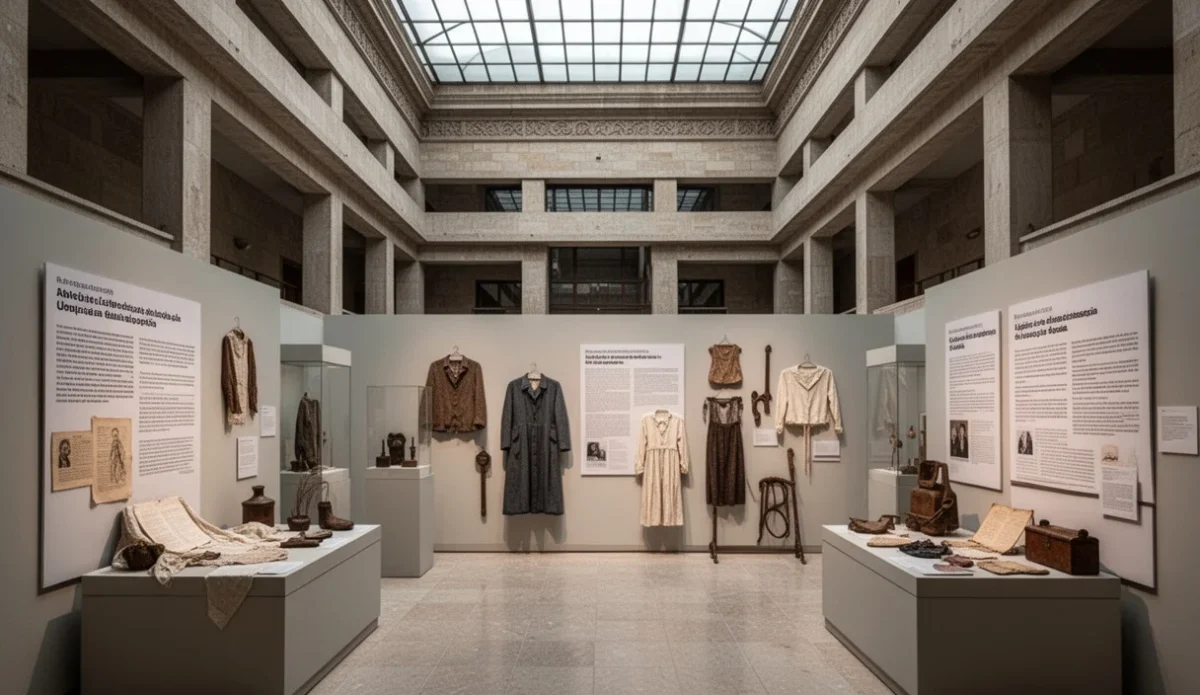
In a poignant exploration of the past, the Recinte Modernista de Sant Pau has launched an exhibition titled ‘Fontilles, la ciutat amagada’, which delves into the harrowing history of leprosy in Spain. This unique showcase, curated by Antonio Garcia Belmar, is set in one of the site’s most dilapidated pavilions, the Carme, and runs until November 1. It aims to humanize the experiences of those affected by this once-feared disease.
Personal stories bring history to life
The exhibition features personal artifacts from former residents of Fontilles, a leprosarium that operated for much of the 20th century in Alicante. Among these items are a Mobylette motorcycle and a radio—symbols of lives interrupted. As visitors walk through the exhibit, they can hear recordings of former patients recounting their daily lives. One resident fondly recalls,
“We had so much camaraderie and fun; we would have parties that the priest never knew about!”
Stigma and isolation shaped patient experiences
The narrative presented is not merely about medical facts but rather focuses on how societal stigma led to profound isolation for those diagnosed with leprosy. The fear surrounding this disease was so intense that it often resulted in individuals being shunned from their communities upon showing symptoms. A historical reference highlights how even popular culture perpetuated this stigma; in various adaptations of Ben-Hur, characters afflicted with leprosy were relegated to desolate places.
A long road to understanding and treatment
The journey towards effective treatment for leprosy was fraught with challenges. It wasn’t until 1982 that the World Health Organization recognized a combination therapy as effective against the disease. Prior to this breakthrough, medical experts had long advocated for isolating patients as a preventive measure—a practice rooted in centuries-old beliefs about contagion.
Connecting past and present through architecture
The architectural beauty of Sant Pau itself serves as a backdrop for this important dialogue about health and society. Originally designed by Lluís Domènech i Montaner, this site has evolved into more than just an architectural marvel; it now stands as a cultural hub where stories like those from Fontilles can be shared and remembered.
A glimpse into future exhibitions
This latest exhibition marks another chapter in Sant Pau’s ongoing commitment to cultural education since its restoration in 2014. Following ‘Fontilles’, plans are already underway for future displays focusing on Baroque painting—an unexpected yet exciting direction for this historic venue.
As visitors engage with these narratives at Sant Pau, they are reminded not only of individual struggles but also of society’s evolving understanding of illness and compassion over time. The stories told here resonate deeply today as we continue to confront stigmas surrounding various health conditions.

You might also be interested in