Núria Parlon emphasizes the need for enhanced global coordination to combat organized crime and marijuana trafficking in Catalonia, following a surge in violent incidents.
In a pressing call to action, Núria Parlon, Catalonia’s Minister of Interior, has urged for greater international police collaboration to tackle the rising tide of organized crime and marijuana trafficking. This plea comes on the heels of a troubling year marked by six shooting deaths linked to drug-related violence in the region.
Recent violence highlights urgent need for action
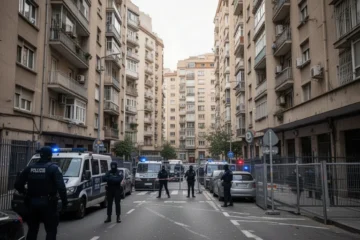
The most recent incident occurred last week on Balmes Street during a high-profile visit from the Pope, underscoring the alarming intersection of criminal activity and public safety. While Parlon noted that overall crime rates have decreased—showing a 4.11% drop last year and a further 10.7% reduction from January to May 2026—she acknowledged that violent crimes against individuals are on the rise.
Catalonia as a hub for drug production
Parlon described Catalonia as an attractive location for large-scale marijuana producers, stating that it operates within a globalized framework of organized crime. “We are an appealing space for macro cannabis producers,” she remarked during an interview with El món a Rac1. The minister highlighted how this criminal enterprise not only threatens public safety but also risks contaminating legitimate economic sectors.
A dual reality: declining property crimes but rising violence
The paradoxical situation in Catalonia reveals that while thefts and property crimes have seen improvements, there is an unsettling increase in violent offenses such as assaults and sexual attacks. Parlon emphasized this duality, indicating that while some areas show progress, others remain deeply affected by organized criminal activities.
School initiative faces challenges but remains open
The minister also addressed the controversial pilot program involving police presence in schools. Initially launched at 14 institutions, only four continue to participate due to mixed reactions from parents and educators. Despite these challenges, Parlon affirmed that participation remains voluntary and will not be enforced without consensus among stakeholders.
A comprehensive approach needed
To effectively combat these issues, Parlon advocates for increased police visibility in areas prone to criminal activity. She criticized existing strategies like the Kanpai plan aimed at addressing repeat offenders among drug traffickers as ineffective: “They are not interconnected problems,” she stated firmly.
The call for international cooperation
The interior minister’s most significant recommendation is enhancing international law enforcement coordination. Recognizing that organized crime transcends local borders, she argued that collaborative efforts are essential to dismantle these networks effectively. “This is not just a problem affecting Catalonia; it requires a united front,” she asserted.
This urgent appeal reflects broader concerns about safety and security within communities grappling with the ramifications of drug-related violence. As authorities work towards solutions, many residents hope for swift action to restore peace and safety in their neighborhoods.

You might also be interested in