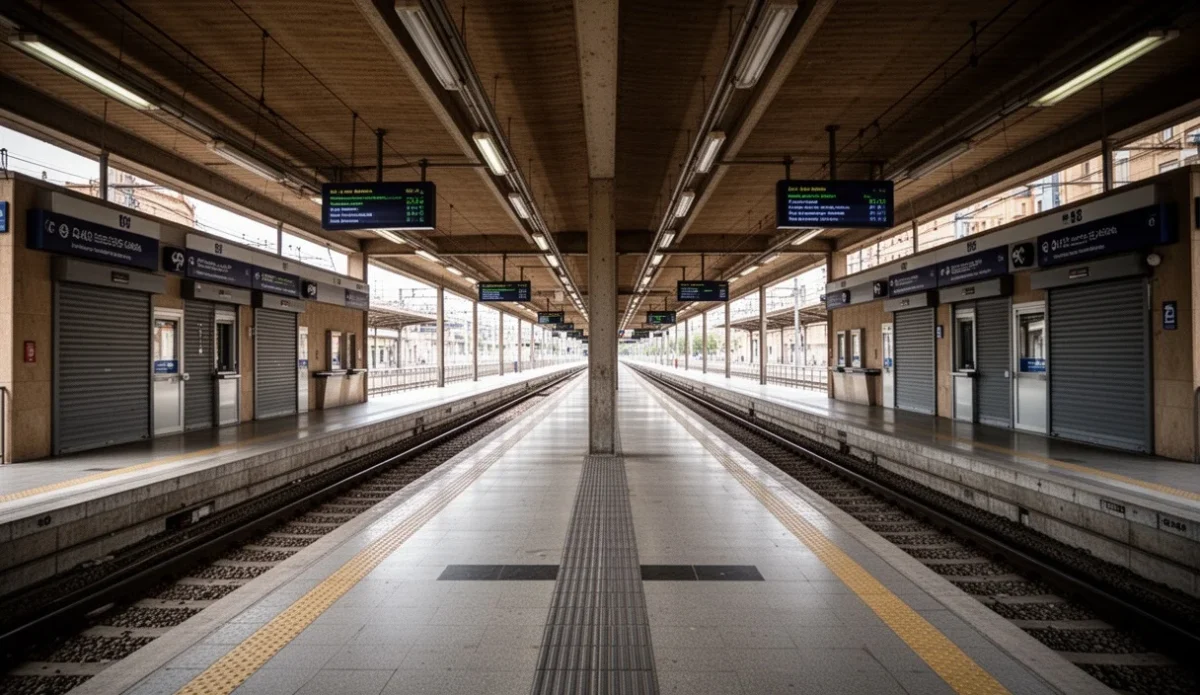
Frustration among train users in Catalonia has reached a boiling point as ten advocacy groups publicly criticized the ineffectiveness of weekly meetings with the Generalitat. These discussions, initiated after a tragic accident in Gelida earlier this year that resulted in the death of a train driver, have failed to produce tangible solutions for ongoing issues within the railway network.
Calls for change
The organizations involved have expressed their discontent through a formal statement, asserting that communication with government officials has significantly deteriorated over time. They argue that these meetings, led by Sílvia Paneque, the Minister of Territory, and Manel Nadal, Secretary of Mobility and Infrastructure, have devolved into repetitive sessions where grievances are aired without any real progress being made.
“Our feeling is clear: the Government does not understand the reality or magnitude of the problem,” they stated. In light of this disconnect, they are urging a reformation of how they interact with governmental bodies. The groups propose establishing more direct channels with technical authorities to facilitate effective problem-solving.
While acknowledging that the current administration has inherited longstanding issues stemming from years of underinvestment and poor planning, these advocacy groups highlight persistent challenges such as unreliable information regarding service disruptions and alternative transport options. Many improvements promised during previous discussions have yet to yield visible results for users.
The user platforms also criticized logistical aspects of the meetings themselves. They reported frequent schedule changes, delays, and absences from key officials who were supposed to attend. In response to these inefficiencies, they recommend reducing the frequency of plenary meetings while ensuring that responsible political and technical figures are present when discussions occur. Furthermore, they advocate for bilateral channels between each platform and relevant administrative bodies to address specific regional concerns more effectively.
This collective statement was signed by various organizations representing train users across Catalonia. Notable signatories include Dignitat a les vies, Salvem R2 Nord, Perquè no ens fotin el tren , Trens Dignes Ebre-Priorat , Plataforma d’usuaris l’R8 Existeix , Propera parada: Valls Defensem el tren de l’Empordà , Plataforma d’usuaris i usuàries del Transport Públic del Baix Llobregat, Usuaris Avant Catalunya Proximitat , and Associació per la Promoció del Transport Públic.
The growing dissatisfaction among these groups reflects broader concerns about public transportation governance in Catalonia. As users continue to face daily challenges related to service reliability and communication breakdowns with authorities, their calls for reform may signal an urgent need for systemic change within the region’s transportation framework.
With over 1 million passengers relying on Rodalies services each month, addressing these issues is not just about improving user experience; it’s about ensuring safety and efficiency in a critical public service sector.

You might also be interested in