The former chief architect of the Barcelona City Council under Ada Colau argues that the green transformation of the streets will be inevitable. He criticises the opposition between green axes and inner courtyards.
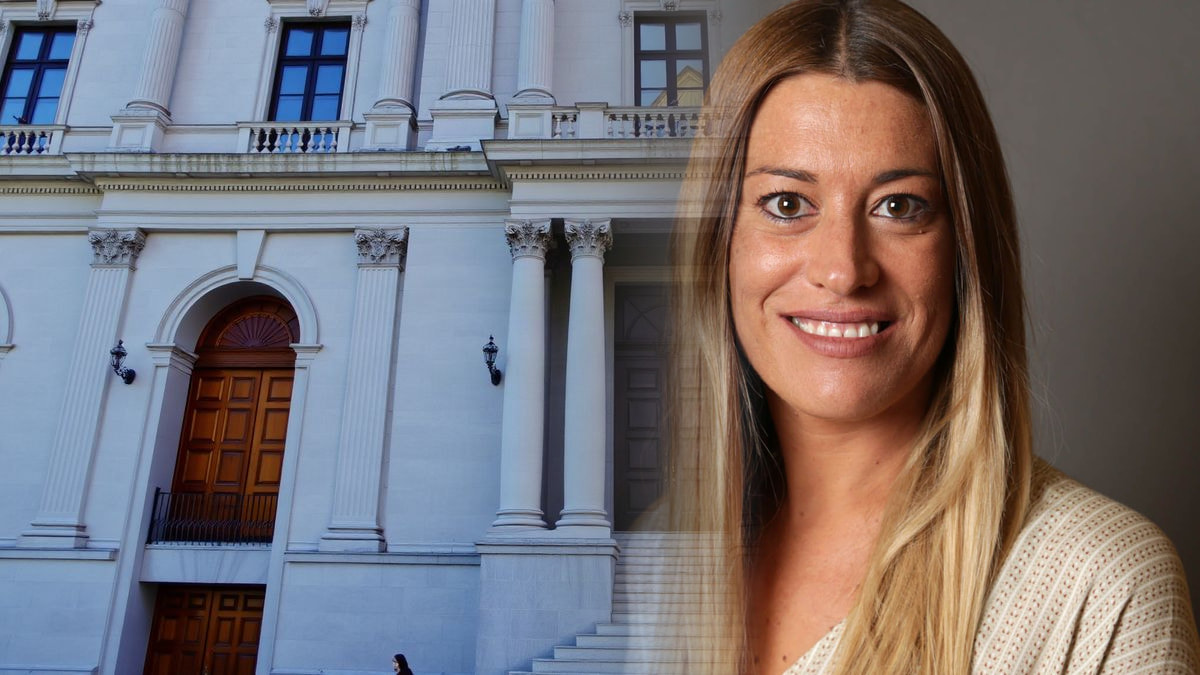
Xavier Matilla, who was chief architect of the Barcelona City Council during the second term of Ada Colau (2019-2023), defends that superblocks will continue to gain ground in the city. He now works as an urban planning consultant and as a professor at the Universitat Politècnica de Catalunya.
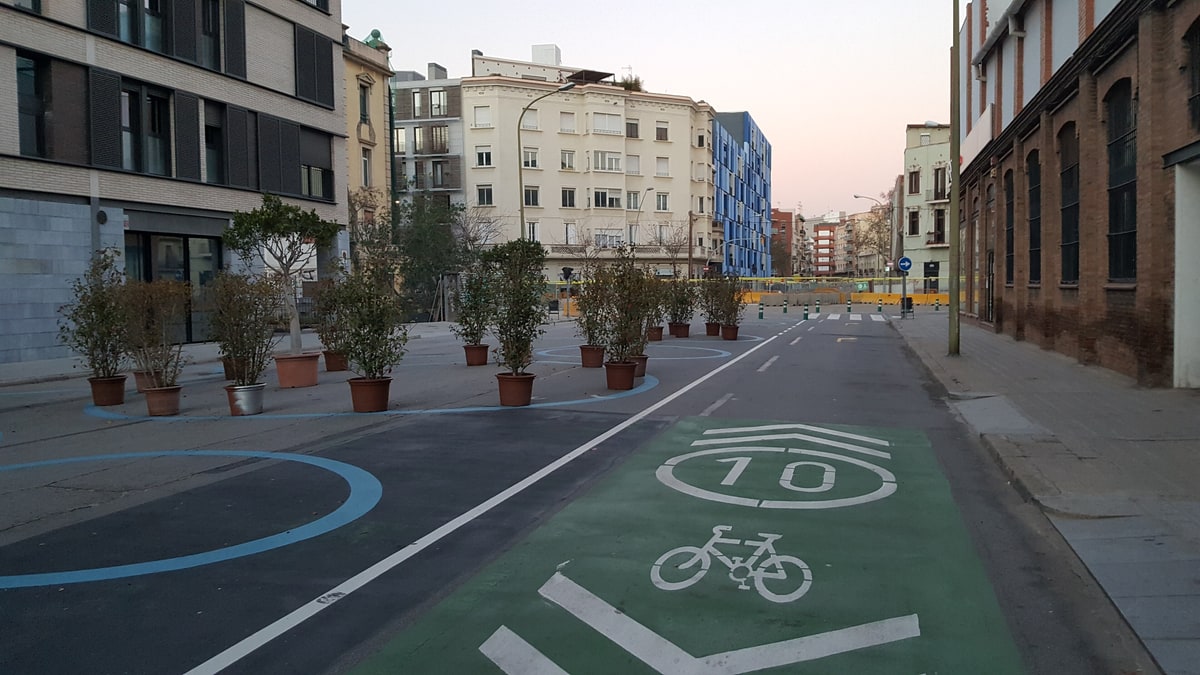
According to Matilla, a superblock reduces through traffic and frees up streets that can become green axes, meaning spaces for staying rather than just for passing through. During his term, the main obstacle was dismantling the myths circulating about the model, such as that cars were prohibited from circulating or that businesses could not load and unload.
Regarding Consell de Cent, the former architect asserts that the project has gradually gained support from residents who were initially reluctant. He adds that the programme has been stalled for four years by the current government.
“Consell de Cent sets the path to follow.”
The three condemnatory rulings against the processing of the street are, in his view, due to the failure to modify the planning. He explains that the judge, relying on expert reports, considered that the street should transition from a road system to a system of free spaces. Matilla disagrees with that interpretation and maintains that there was no error on the part of the council at that time.
Regarding the rising costs in neighbourhoods, Matilla recalls that any urban improvement increases land value. For him, the problem is that insufficient public policies have been applied to address access to housing, and he believes that worsening the city would not lower rents.
The architect also defends the bike lane on Via Augusta, which generated controversy, and laments that Bicing suffers from a lack of investment and maintenance. According to him, cycling has not been a priority for the current government team.
Matilla recalls that the pandemic accelerated the creation of bike lanes on Calle Aragón and Calle Valencia, without which, in his view, Consell de Cent could not have been implemented afterwards. Regarding the inner courtyards, one of the electoral promises of Mayor Jaume Collboni, he considers it a mistake to oppose both strategies.
“It was irresponsible to confront the transformation of green axes with the recovery of inner courtyards.”
For Matilla, the courtyards are useful for ventilation and increasing greenery in a very dense fabric, but they are very costly and do not reduce pollution, so streets must also take action. In the face of climate change, he proposes increasing soil permeability, urgently reducing asphalt, and planting more trees, as the problem is no longer just about daytime highs but also nighttime temperatures.
“The green transformation of the streets will be inevitable in Barcelona.”

Trending on the web

You may also like