
Vladimir Antonov-Ovseenko arrived in Barcelona in July 1936 with the idea of a Catalonia separate from Spain. He ended up purged by Stalin after years of repression.
Suspicious of the republican government in Madrid, Vladimir Antonov-Ovseenko arrived in Barcelona in July 1936 as the Soviet consul. According to historian César Alcalá, the diplomat already assumed that Catalonia was a distinct state from the rest of Spain.
The story is recounted by historian and journalist César Alcalá, as reported by COPE. According to his account, the diplomat did not trust Manuel Azaña or Francisco Largo Caballero, and was also wary of the Soviet ambassador in Madrid. Therefore, he requested to open a delegation in Catalonia with its own autonomy.
Antonov-Ovseenko had a dual plan. If the situation deteriorated, the region could become a puppet state of Moscow. Alcalá summarises the idea in one phrase: "Catalonia could be a satellite of Russia".
If history did not arrive, Catalonia could be a satellite of Russia.
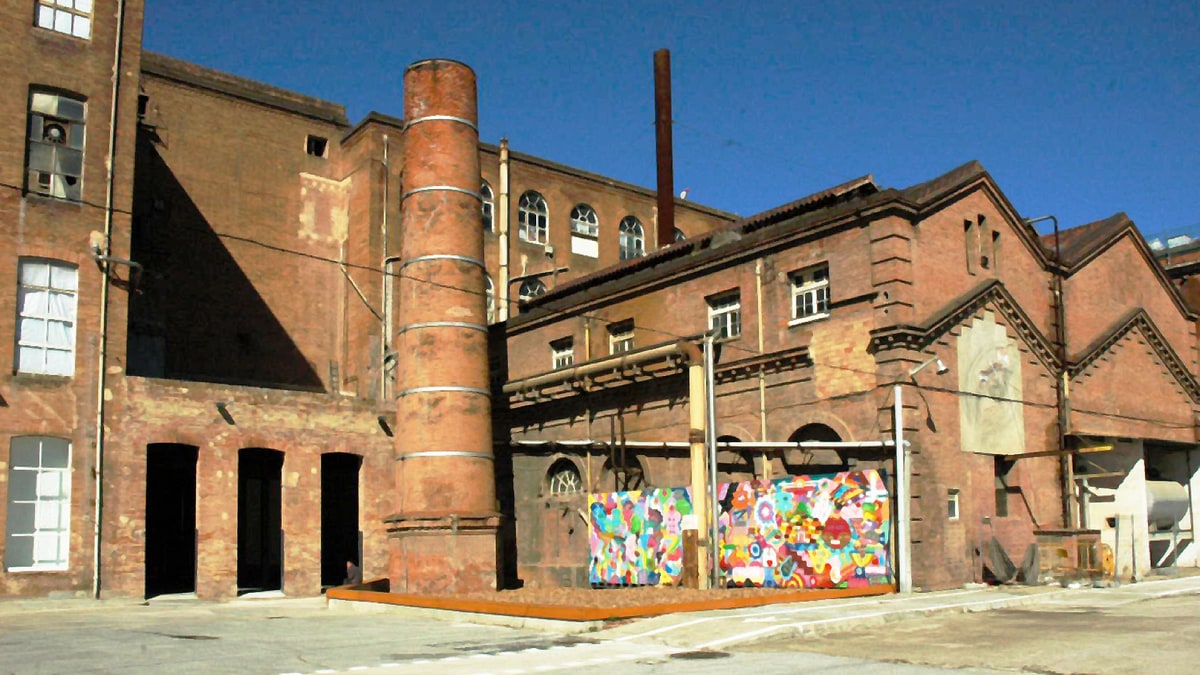
The consulate was established on Avenida del Doctor Andreu, in a building with a 50 square meter bunker. For the historian, this refuge reflects the strategic importance the diplomat attributed to his mission.
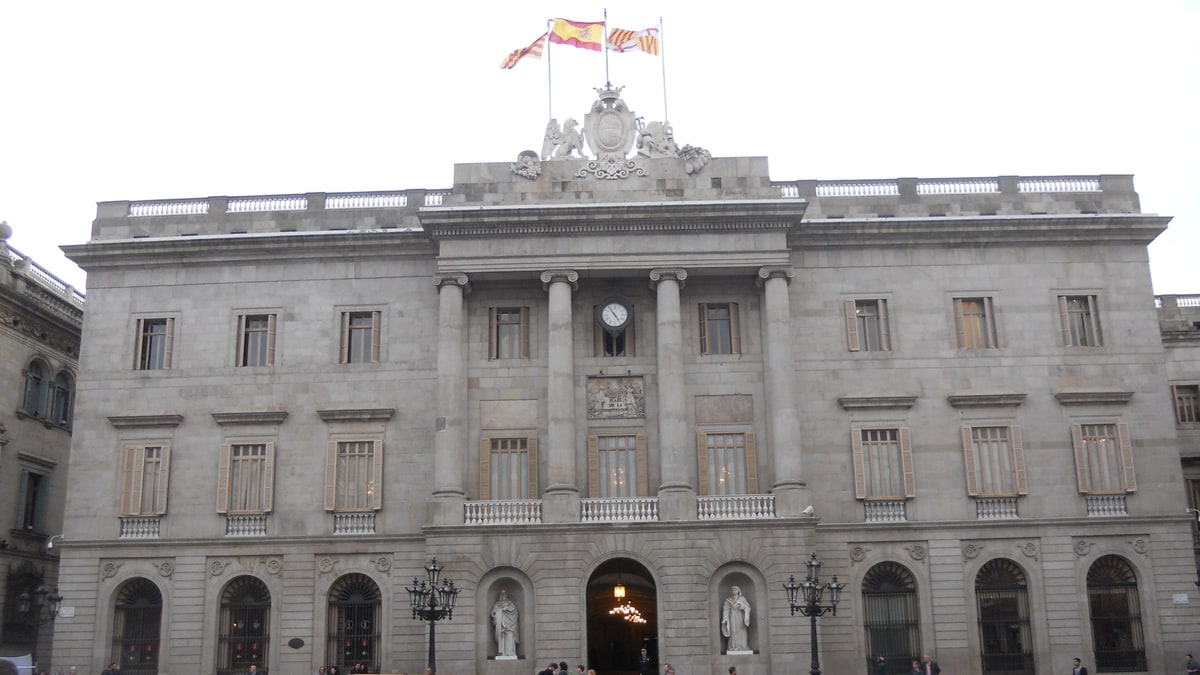
The Soviet influence in republican Catalonia was evident in November 1937, when a parade gathered around 100,000 people to commemorate the 1917 Revolution. The consul witnessed it from the Palau de la Generalitat.
According to Alcalá, the diplomat was also a witness to internal repression, with the clashes of May 1937 and political assassinations, including the attempt on Lluís Companys and the disappearance of Andreu Nin. In his letters, the consul writes about the dead with a starkness that the historian captures in his book.
He tells me they are going to kill four, and they already have 5,000 dead.
Despite his role in the 1917 Revolution, the Stalin purges did not spare him. In 1938, he was summoned to the Soviet Union under the pretext of receiving an award. According to the historian, upon arrival he was arrested and executed for not being politically correct.
Alcalá recalls that, in Catalonia, the diplomat was ironically nicknamed "more Catalan than the Catalans themselves". His project clashed with Largo Caballero's stance, who reminded that Catalonia was part of Spain. The full account is in the historian's book, available in bookstores.

Trending on the web
You may also like