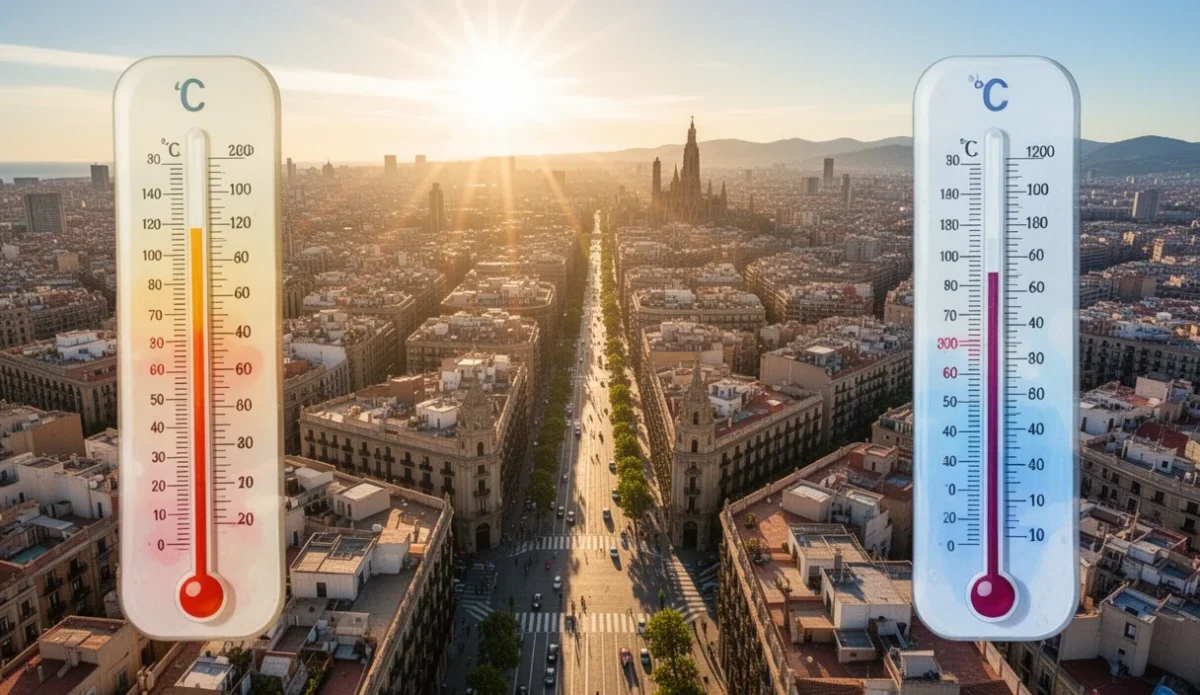
A recent report highlights that over 12% of female deaths in Barcelona during summer 2025 were linked to extreme heat, compared to just 2.36% for men. Vulnerable groups are at greater risk.
In a troubling trend, the rising temperatures in Barcelona have been shown to have a significantly higher mortality impact on women than on men. According to the latest findings from the Agència de Salut Pública de Barcelona (ASPB), 12.1% of female deaths between May and September 2025 were attributed to excessive heat, while only 2.36% of male fatalities during the same period were linked to high temperatures.
The ASPB attributes this disparity not solely to gender but rather to a combination of factors that increase vulnerability among women, particularly those who are elderly or economically disadvantaged. “The primary reason is likely that there are many more older women,” an ASPB representative explained, emphasizing that women generally have a longer life expectancy which correlates with increased susceptibility to heat-related health issues.
Older individuals often face challenges in regulating body temperature and may suffer from chronic illnesses or take medications that hinder their ability to cope with extreme weather conditions. The agency noted that older women are more likely to live alone, compounding their vulnerability due to social isolation and economic hardship.
The report outlines several characteristics contributing to this heightened risk: advanced age, poorer socioeconomic conditions, living alone, inadequate housing adaptations for heat, and difficulties in accessing cooling resources. These factors create a precarious situation for many elderly women during the sweltering summer months.
“There may also be physiological differences in how bodies respond to high temperatures,” the ASPB added. However, they reiterated that it is primarily a mix of biological, social, and living condition factors driving these alarming statistics.
This concerning trend has intensified over recent years; data indicates an increasing gap between male and female mortality rates due to heat exposure. While cautioning against alarmism, the ASPB stated that “the estimated impact of heat remains consistently higher among women than men.” They plan ongoing monitoring as climate patterns evolve.
The agency’s predictions for the upcoming summer remain uncertain. They cannot reliably forecast whether mortality rates attributable to heat will rise or fall compared with previous years. Factors such as the number of days exceeding comfort temperatures and overall public health will play crucial roles in determining outcomes.
Interestingly, this year’s milder flu season could lead to an influx of vulnerable individuals entering summer with less winter mortality than usual—a factor potentially increasing their susceptibility to heat-related health issues later on.
The ASPB urges continued vigilance regarding vulnerable populations as climate change exacerbates these risks each year. As we approach another hot season in Barcelona, residents should remain aware of local resources available for cooling assistance and support services aimed at helping those most at risk.

You might also be interested in