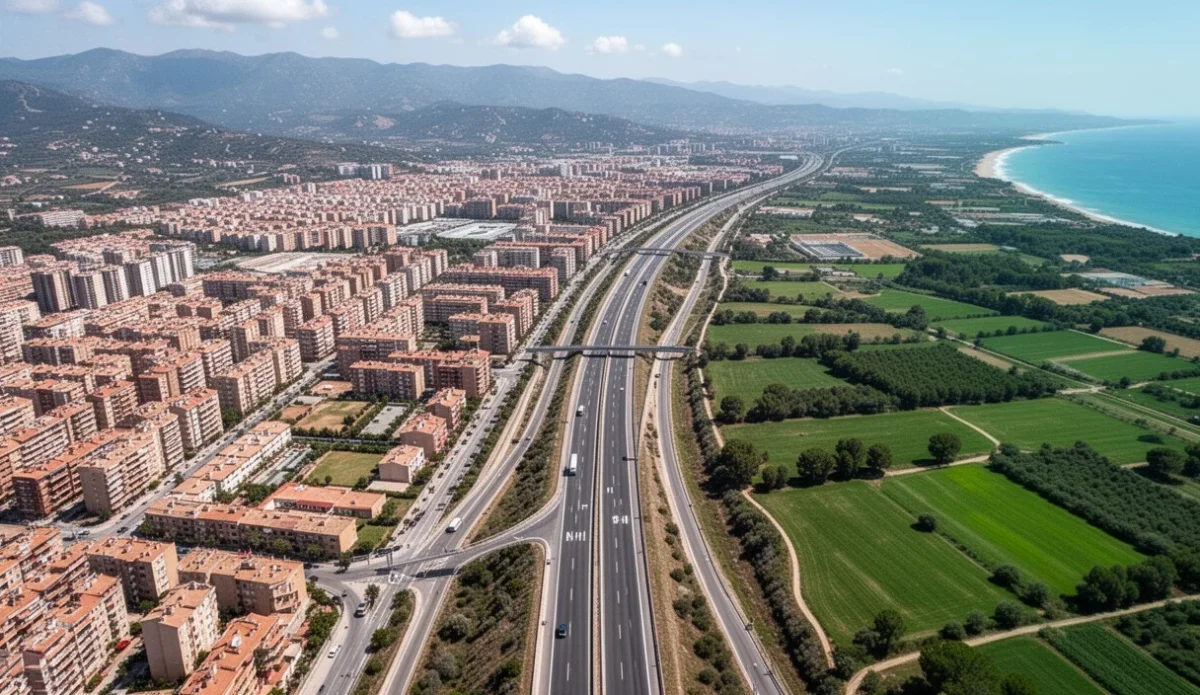
A significant divide emerged among Maresme political leaders during the N-II pacification project presentation, highlighting internal party conflicts. The absence of key figures raised questions about unity and collaboration.
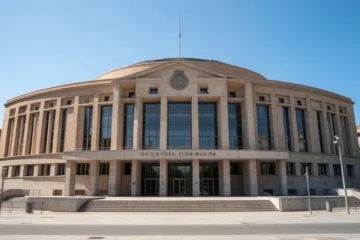
The recent presentation of the N-II pacification project at TecnoCampus Mataró has sparked a notable controversy among local political leaders. Attended by prominent figures such as Salvador Illa, the president of the Generalitat, and Sílvia Paneque, the consellera de Territori, the event was marked by the conspicuous absence of Rafa Navarro, president of the Consell Comarcal del Maresme. Navarro’s decision not to attend was based on his belief that it was an electoral stunt, a claim that did not sit well with many attendees.
This absence highlighted ongoing tensions within local politics, particularly between Navarro and members of his own party, Junts. While Navarro chose to criticize the event publicly on local radio in Premià de Mar, other Junts representatives were present in force. Leading this contingent was Carles Bosch, who emphasized support for the project while voicing concerns about its execution.
The mayor of Premià de Mar’s stance is particularly noteworthy; he openly invited fellow Junts mayors to boycott the event alongside him. In his remarks on Premià Media, he described the meeting as a “lack of respect” and labeled it “propaganda,” especially given that critical segments of the Alt Maresme remain undefined.
Navarro’s dissent reflects deeper issues within Junts regarding strategic direction and collaboration on regional projects. His surprise at construction commencing in Mataró stems from revelations made by Manel Nadal, Secretary of Mobility, who explained that a contractor had abandoned work on part of the Baix Maresme segment.
The lack of official invitation extended to the Consell Comarcal has also drawn criticism from Junts members who argue that this oversight undermines years of collaborative effort towards pacifying this vital roadway.
Despite these disputes, Carles Bosch expressed a cautiously optimistic view post-event. He underscored the necessity for clarity regarding future projects but warned that without addressing access routes to major highways like C-32 before implementing pacification measures, traffic congestion could worsen significantly. This concern is particularly relevant given that many access points are located near industrial zones crucial for economic activity.
In contrast to Junts’ apprehensions, Esquerra Republicana (ERC), which shares governance with Junts in the Consell Comarcal del Maresme, views this initiative as a historic opportunity. They advocate for sustainable mobility and envision a transformed coastal area connecting municipalities from south to north with infrastructure designed for public use. Mayor Jaume Oliveras from El Masnou echoed these sentiments during his speech at TecnoCampus, urging all 16 involved municipalities to unite under a common vision for this transformation.
The debate surrounding this project underscores not only local political dynamics but also broader implications for urban planning and community engagement in Maresme. As discussions continue about how best to implement these changes while ensuring accessibility and sustainability, residents will be watching closely how their leaders navigate these challenges.
The next steps involve further consultations among stakeholders as they seek consensus on both immediate actions regarding highway access improvements and long-term goals related to urban development along N-II.

You might also be interested in