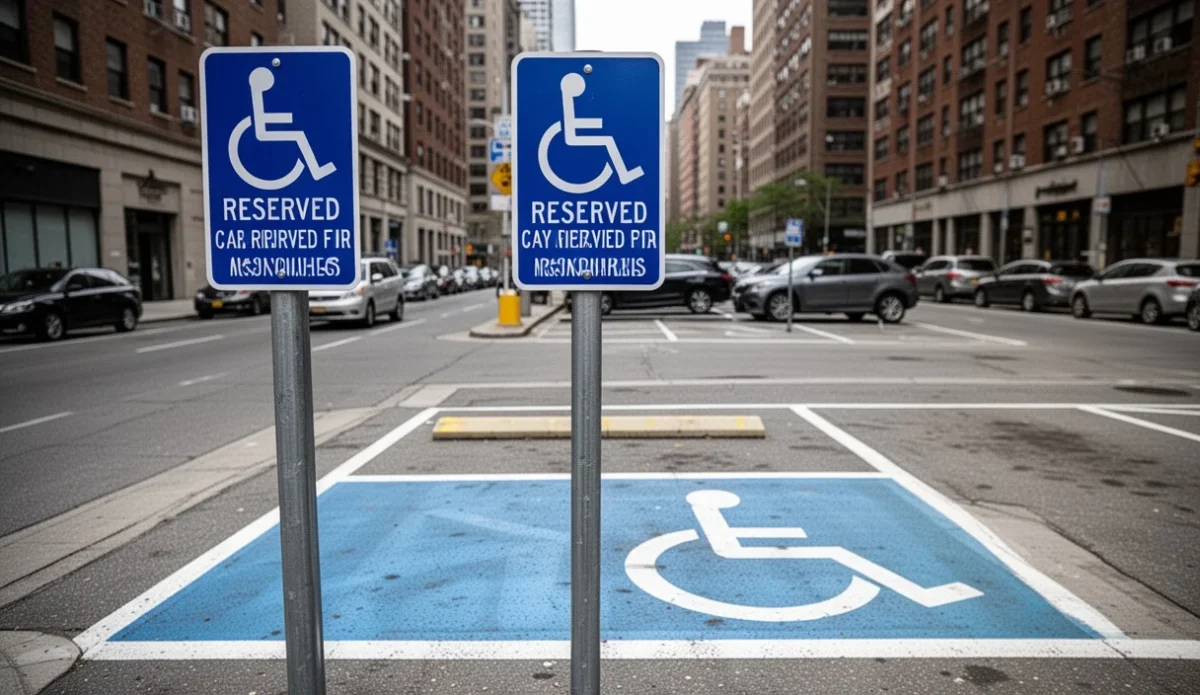
A disabled resident in Barcelona has had a parking fine revoked after the city council acknowledged a mistake. This decision underscores new regulations allowing citizens to correct administrative errors.
A recent decision by the Barcelona City Council has led to the cancellation of a parking fine imposed on a resident with mobility challenges. The fine was initially issued for not displaying the required parking permit, but it was determined that the permit had accidentally fallen from the vehicle. This incident highlights an important shift in how administrative errors are handled in the city.
The revocation of this penalty came about following an intervention by the Sindicatura de Greuges de Barcelona, an independent public institution dedicated to defending citizens’ rights. In their statement, they clarified that the individual parked correctly in a designated space for disabled drivers and acted in good faith when the permit fell.
The Síndic, who oversees this institution, described the original punishment as “disproportionate” and emphasized that it violated principles of “proportionality, mutual trust, and the right to good administration.” This case is particularly significant as it reflects broader changes in municipal policy regarding how such matters are addressed.
In support of this decision, l’Institut Municipal d’Hisenda de Barcelona confirmed that there was indeed a “formal material error” involved. The resident possessed a valid parking permit and had no prior infractions over the last decade. Their compliance with existing regulations further justified overturning the fine.
This ruling comes on the heels of new legislation passed last November, which was championed by local political groups including PSC, ERC, and Comuns. The law recognizes citizens’ rights to rectify unintentional mistakes before facing penalties from administrative bodies. Such legal frameworks aim to foster a more understanding relationship between residents and government institutions.
The Sindicatura de Greuges has praised this outcome as “relevant,” noting that it allows for cases to be reviewed with greater flexibility rather than through a strictly formal lens. This approach aligns with modern governance practices that prioritize citizen engagement and accountability.
Historically, similar cases have often resulted in fines being upheld without consideration for mitigating circumstances. However, this recent development signals a potential shift towards more compassionate governance within municipal operations.
For residents who may find themselves in similar situations or wish to understand their rights better under these new regulations, it is advisable to contact local advocacy groups or legal aid services specializing in disability rights. They can provide guidance on navigating administrative processes effectively and ensuring fair treatment under city laws.

You might also be interested in