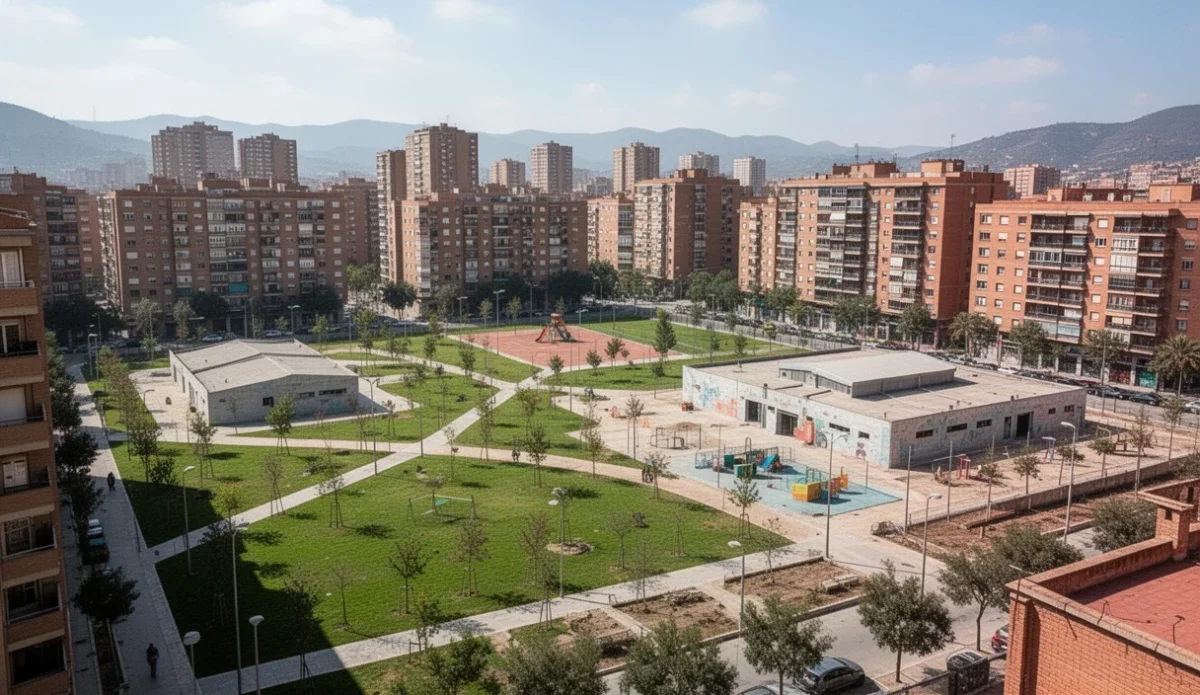
The L'Hospitalet city council's ambitious €21 million investment for urban regeneration was rejected by opposition parties, citing lack of consensus. This decision halts key projects aimed at revitalizing vulnerable neighborhoods.
A significant setback for urban development in L’Hospitalet de Llobregat occurred on June 30, when the local council’s proposal to allocate €21 million for the Samontà reform was voted down by opposition parties. The initiative aimed to kickstart a comprehensive regeneration plan targeting some of the most densely populated and vulnerable neighborhoods in Europe.
The ruling party, PSC, sought approval for a management mandate that would facilitate collaboration with the Generalitat through a consortium dedicated to urban and social revitalization. Mayor David Quirós emphasized that this funding was crucial for initiating projects designed to improve living conditions in these areas.
However, opposition groups including ERC-EUiA, PP, Vox, and Comuns criticized the proposal as electoral posturing, arguing it recycled promises from previous campaigns without genuine engagement with local residents or organizations. The rejection highlights ongoing tensions between the governing body and other political factions within the city.
The mayor defended his administration’s commitment to these neighborhoods, recalling that he has championed this plan since taking office. He stated, “We will continue working to ensure these projects reach fruition despite opposition resistance.” Quirós aims to mobilize a total of €350 million over ten years, indicating a long-term vision for urban transformation.
The proposed package included several initiatives such as transforming Avenida Catalunya into a green corridor and enhancing public spaces like Los Diablos park. Critics pointed out that many of these proposals were previously promised but never realized, suggesting they were being repackaged ahead of upcoming municipal elections.
The spokesperson for ERC-EUiA, Jaume Graells, remarked, “These are not new proposals; they are merely old commitments being presented again.”
This sentiment was echoed across various opposition voices who accused the PSC of using these initiatives as part of an early electoral campaign strategy. In response, government officials argued that rejecting funding would only delay necessary improvements in the community.
The division within the council became evident during this vote, reflecting broader political rifts that have emerged since Quirós assumed leadership. The PP spokesperson noted that their party felt sidelined throughout discussions regarding budgetary allocations and project planning.
A key aspect of this debate is not just about immediate funding but also about establishing a long-term vision for urban renewal. The PSC had intended to draft a masterplan outlining strategic priorities across housing, social investment, economic development, environmental improvement, and community engagement.
Sonia Esplugas from PP criticized the focus on urban plans over social measures: “Urban regeneration alone won’t address deeper societal issues.”
This ongoing conflict raises questions about how future investments will be structured and whether alternative funding sources can be secured from regional authorities or through existing consortium reserves. Discussions are reportedly underway regarding potential revisions to bring similar proposals back before the council.
L’Hospitalet residents concerned about local developments should stay informed about upcoming council meetings where further discussions on urban planning will take place. Engaging with local representatives may also provide avenues for voicing community needs directly related to these critical projects.

You might also be interested in