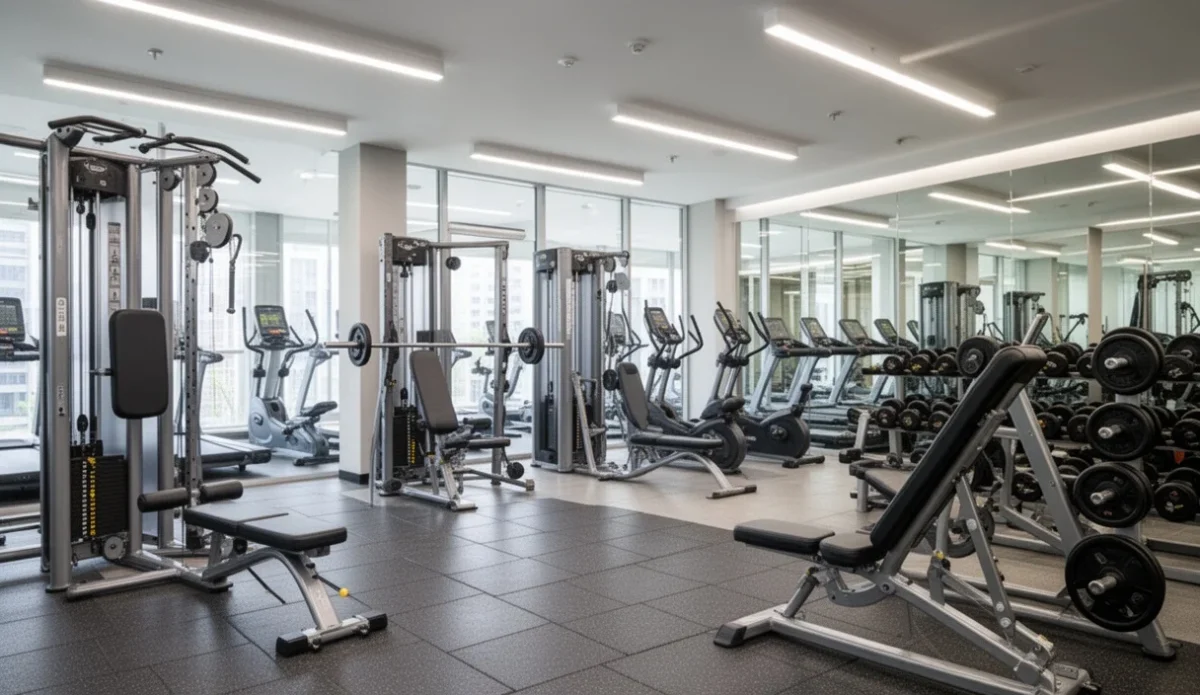
In a notable shift towards healthier lifestyles, 42.3% of Barcelona’s residents are now subscribed to a fitness center, according to a recent study by the Institut Barcelona Esports (IBE) and ADECAFF. This statistic highlights not only the city’s commitment to wellness but also its position as a leader in fitness engagement compared to other European cities.
Growth in fitness facilities
The report reveals that there are currently 949 sports centers operating within the city, with an additional 20 centers set to open soon. Together, these facilities boast a total of 733,061 subscribers, indicating a robust demand for fitness options among locals. The city council emphasizes that this trend reflects the increasing prioritization of health and well-being among its citizens.
The past few years have seen a steady rise in interest related to health and wellness. Since 2020, Barcelona has welcomed 77 new sports centers, marking a significant growth rate of 10%. The most pronounced increase occurred recently, with 21 new centers opening in 2024, followed by another 29 in 2025.
The municipal sports centers account for just 4.4% of the total but serve over 201,000 users.
A noteworthy aspect of this landscape is that while the municipal sports centers represent only 4.4% of all facilities, they cater to more than 201,000 users, which translates into approximately 27.5% of all subscriptions. These centers also contribute significantly to local revenue, accounting for about 25.5%, or €122 million, of total earnings from fitness services.
The majority of sports facilities in Barcelona are privately owned—comprising 908 installations and serving 531,725 subscribers. This private sector dominance represents around 96% of the market share and generates an impressive annual revenue of €354.4 million. Within this segment, boutique gyms lead the way with a striking share of 75.5%, followed by mid-range options at 16%, and budget-friendly gyms at just over 4%.
This surge in gym memberships is not merely about numbers; it signifies a cultural shift towards prioritizing physical health amidst urban living challenges. The city’s focus on promoting active lifestyles aligns with broader public health initiatives aimed at reducing lifestyle-related diseases.
The growing popularity of international gym chains has played a crucial role in shaping this trend as they continue to dominate new openings across the cityscape. Their presence indicates not only consumer preference but also an evolving market that caters increasingly to diverse fitness needs.
Civic leaders highlight that these trends reflect healthy habits taking root among residents.
Civic leaders have praised these developments as indicative of changing attitudes toward personal well-being within Barcelona’s population. They assert that fostering such environments can lead to long-term benefits for both individual health outcomes and community cohesion.
<pas Barcelona continues on this trajectory towards enhanced physical activity participation rates, it sets an example for other urban areas grappling with similar public health challenges. With ongoing investments into both public and private sectors dedicated to fitness infrastructure, there is optimism about sustaining this momentum moving forward.

You might also be interested in