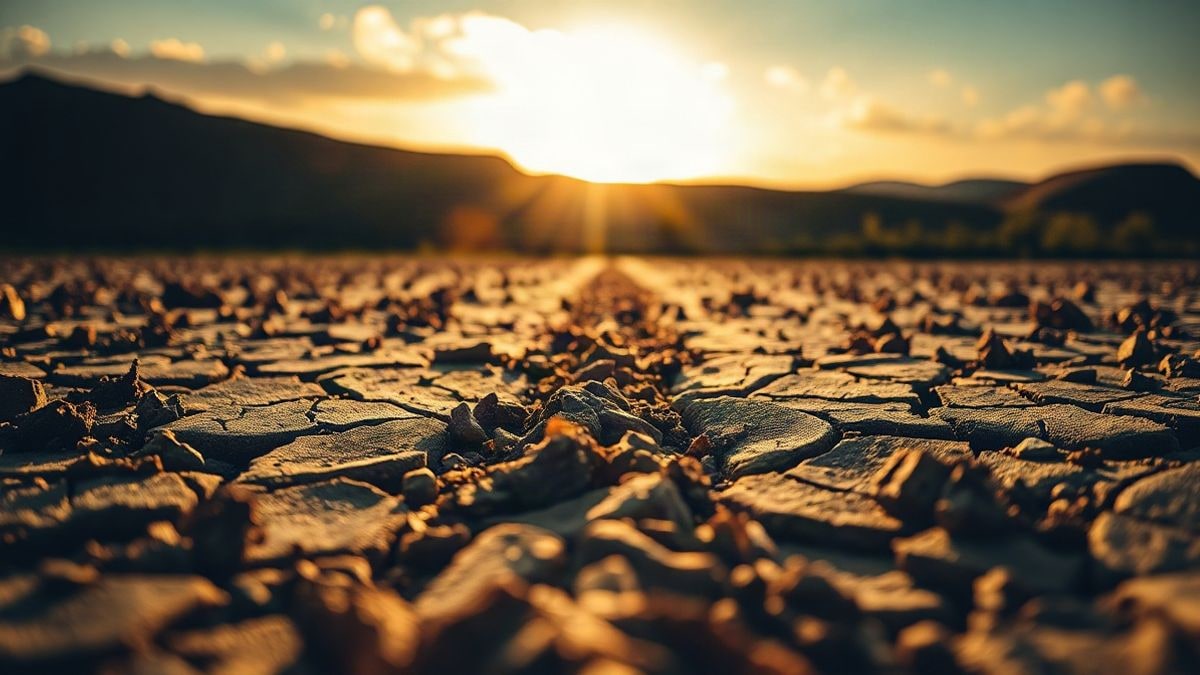
The Generalitat proposes to transform 29,945 hectares of dry land into irrigated land in Lleida by 2033, with a demand of 154.22 hm3. The CHE limits this to 6,000 hectares per year.
According to Segre, the Generalitat has proposed to the Ebro Hydrographic Confederation (CHE) to convert a total of 29,945 hectares of dry land in the Lleida region into irrigated land over the next seven years. This request represents a combined demand of 154.22 hm3 and is included in the final version of the Important Issues Scheme (ETI) of the new Ebro Hydrological Plan, which covers the period 2028-2033.
The CHE has included these proposals in the list of new irrigation projects that the autonomous communities wish to develop with public funds. However, the agency warns that all of them must meet the criteria set by the plan for their consideration.
In total, the requests from the Generalitat amount to 47,856 hectares and a demand of 197.57 hm3. The total area of the basin reaches 99,437 hectares spread across 59 systems. With these figures, Lleida is the region with the highest growth expectations for irrigation, ahead of La Rioja, which plans to act on 26,548 hectares of dry land.
In addition to the 10,000 hectares of the Segarra-Garrigues, there are 14,500 hectares for the expansion of Garrigues Sud, in Bovera and La Granadella (and Flix), as well as 2,329 hectares in Segrià Sud. The latter, according to the document, has no assigned flow. On the other hand, the CHE is subjecting the request for Segrià Sud to public consultation for an expansion of 2,827 hectares.
The plan also includes territorial compensations for the construction of the Rialb reservoir in the surrounding villages. Additionally, it foresees a new irrigation project of 907 hectares in the Pla del Sas, in the north of Segrià, which would be supplied by the water savings achieved through the modernization of Pinyana. The expansion of the Reg de la Conca de Tremp does not appear on the list.
However, the CHE lowers expectations. Instead of not imposing restrictions on requests or not including new areas, the agency has opted to limit the transformation of dry lands to 6,000 hectares per year, that is, 36,000 hectares for the entire plan. The agency will only authorize new transformations compatible with the available resources.
Projections indicate a structural reduction in contributions, especially in Mediterranean basins, where decreases of 20% to 30% are expected by the end of the century.
The CHE itself specifies that this analysis will be completed with a detailed modelling of the resource in the proposal of the plan. For now, the limit of 36,000 hectares in the basin is the framework that will guide the upcoming decisions regarding irrigation in Lleida.

Trending on the web
You may also like