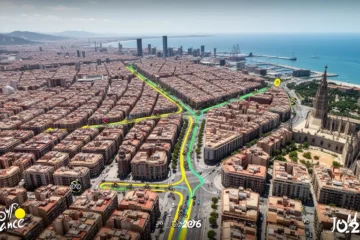
The Euroviñeta directive is set to reshape transportation funding by introducing a toll system that could enhance public transport resources. This initiative addresses the financial challenges facing sustainable mobility.
The introduction of the Euroviñeta directive marks a significant shift in how transportation systems across Europe may be funded, particularly focusing on enhancing public transport services. By implementing a toll based on road usage, this directive aims to generate necessary revenue for both road maintenance and public transit improvements.
Currently, the financial sustainability of public transport is under threat. In 2024 alone, services managed by the Metropolitan Transport Authority incurred costs nearing 2,500 million euros, reflecting a staggering 44% increase over the past seven years. Meanwhile, user contributions have dwindled from covering 43% of total costs in 2017 to just 24% in 2024. This decline highlights an urgent need for alternative funding mechanisms.
The Euroviñeta is designed not merely as a tool for financing specific roads but as part of a broader strategy to improve overall mobility across regions. Historically, tolls have been met with resistance due to perceived inequities and lack of coherent planning. However, this new approach emphasizes environmental responsibility through its principle: those who pollute should pay.
The proposed toll structure will consider various factors such as maintenance costs and negative externalities like emissions and congestion. This could lead to annual revenues estimated at around 2,000 million euros, potentially increasing with the growth of vehicle numbers—up by 10% since a similar study conducted in 2014.
A key aspect of this initiative is its potential impact on public transport offerings. With funds generated from these tolls, authorities can invest in improving service frequency and connectivity rather than relying solely on user fees or government subsidies that are often subject to budgetary constraints.
This model mirrors practices seen in other sectors; for instance, Spanish ports are fully financed by their users without controversy. The Euroviñeta could thus facilitate a paradigm shift towards more sustainable mobility solutions while ensuring that private vehicle use decreases over time.
The acceptance of such changes will depend heavily on effective communication about how these funds will be utilized for community benefits rather than simply being seen as an additional tax burden. As cities grapple with increasing traffic congestion and pollution levels, the urgency for innovative funding solutions has never been clearer.
The rollout of this directive will require careful planning and stakeholder engagement to ensure it meets its goals without alienating users. Public consultations and pilot programs may be essential steps before full implementation occurs.
For residents interested in understanding how these changes might affect their daily commutes or travel plans, local authorities are expected to provide updates through community forums and official websites as discussions progress towards implementation timelines.

You might also be interested in