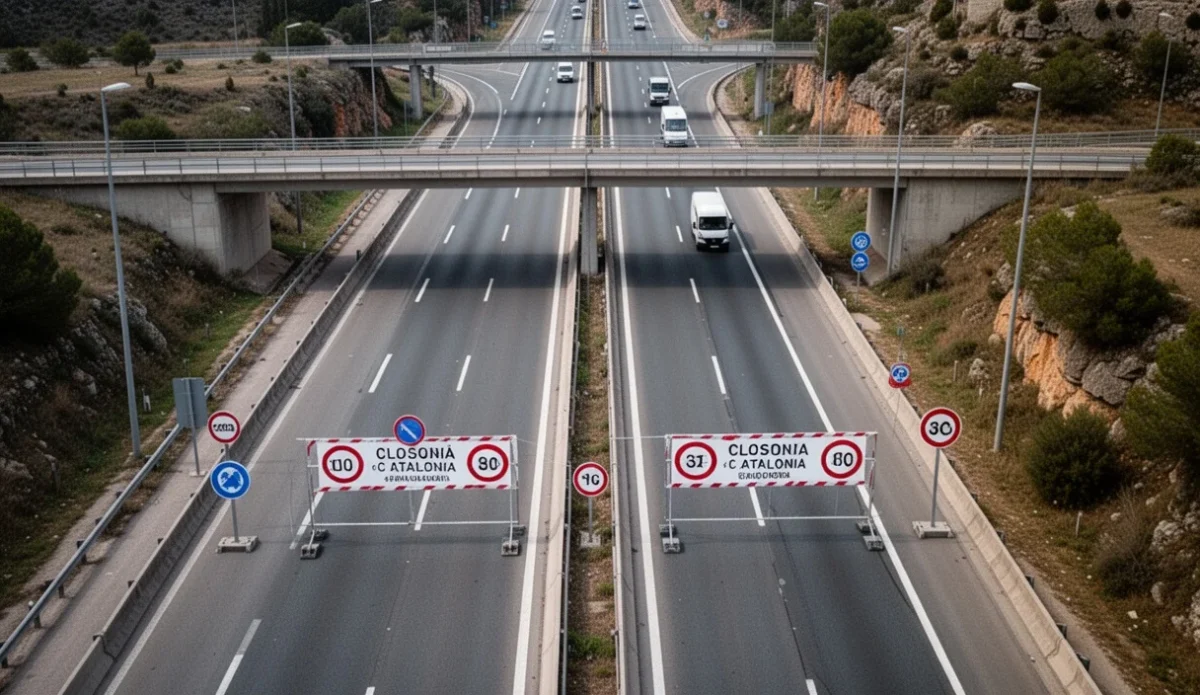
The Tour de France will impact mobility across Catalonia, affecting 64 municipalities. Authorities have implemented a traffic management plan to mitigate disruptions during the event.
As the prestigious Tour de France makes its way through Catalonia this weekend, local authorities are bracing for significant traffic disruptions. The event will affect 64 municipalities across 11 counties, particularly during stages two and three of the race.
The second stage on July 5 will see cyclists travel from Tarragona to Barcelona, while the third stage on July 6 will take them from Granollers into the Pyrenees. This route traverses key areas including Tarragonès, Garraf, Baix Llobregat, Vallès Oriental, Osona, and Ripollès. With thousands of spectators expected to line the streets, local officials have devised a comprehensive plan to manage mobility.
The Division of Traffic from the Mossos d’Esquadra, in collaboration with the Catalan Traffic Service (SCT), has outlined specific measures to ensure safety and minimize disruption. On July 5, major roads such as the A-7 and N-340 will experience temporary closures and mandatory detours in metropolitan areas like Vilanova i la Geltrú and Sitges.
This year’s Tour coincides with a public holiday during stage two, which is likely to exacerbate leisure-related traffic along coastal routes. Conversely, stage three occurs on a weekday when daily commuting patterns could be more severely impacted.
“We are aware that there will be localized mobility issues during the race. Therefore, we have worked closely with affected municipalities to plan alternative routes whenever possible,” stated Consellera Parlon.
The SCT plans to activate mobile information teams that will relay real-time updates about road conditions back to their central command. This proactive approach aims to keep drivers informed about when roads reopen after each segment of the race passes through.
For those traveling north on July 6, expect significant restrictions on roads such as C-352 and C-17 as they lead into mountainous regions where access may be limited for towns like Ribes de Freser and La Molina. These closures are expected to last approximately four to five hours at various points along the route.
A historical comparison reveals that similar events in previous years have led to extensive planning efforts by local authorities; however, this year’s coordination appears particularly robust given past challenges faced during large-scale sporting events in urban settings.
The SCT’s strategy includes over 290 fixed variable message signs alongside numerous mobile panels positioned near roadways. This extensive signage aims to provide timely updates regarding road conditions and detours throughout both stages of the Tour.
“Our goal is not only safety but also ensuring that residents can navigate around these disruptions effectively,” added Parlon.
Cycling enthusiasts and residents alike are encouraged to check official traffic websites before embarking on their journeys this weekend. Detailed maps outlining specific routes for each stage of the Tour can also be found on official cycling event platforms.
This weekend promises excitement for sports fans but requires careful planning for those who rely on Catalonia’s roadways for daily activities or leisure travel. For real-time updates or alternative route suggestions during this period of disruption, consult Google Maps or Waze prior to your trip.

You might also be interested in