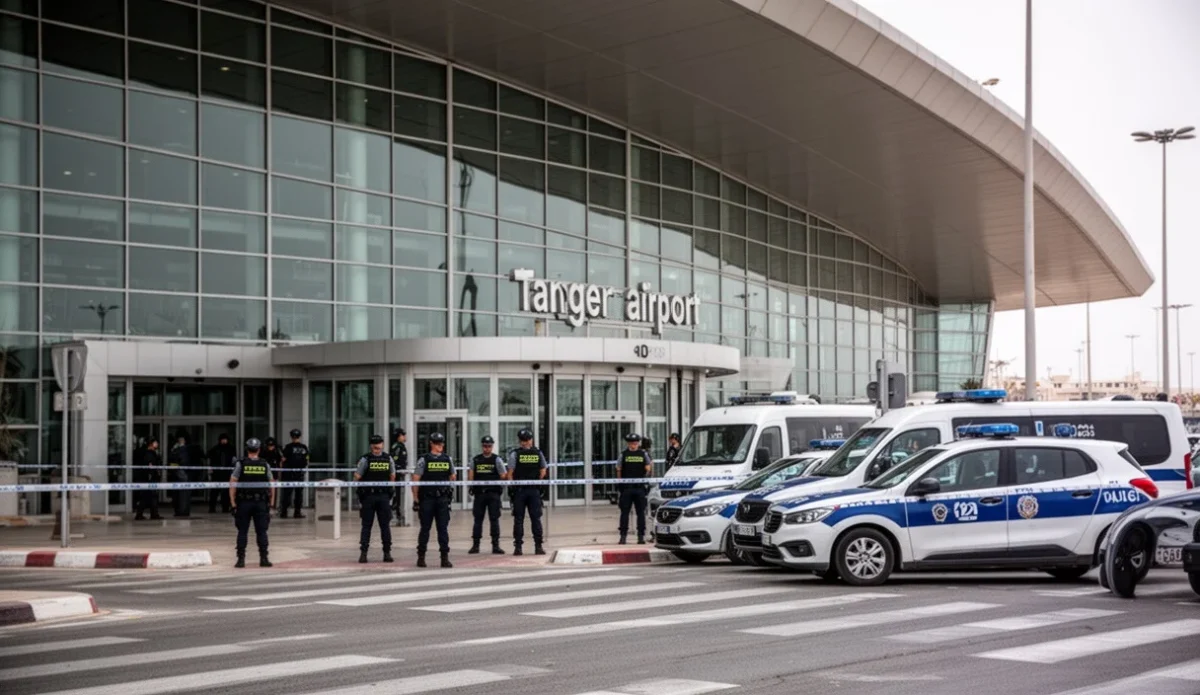
Ali Lmrabet, a prominent critic of the Moroccan regime, was arrested at Tangier airport on charges of defamation. His detention raises serious concerns about press freedom in Morocco.
Ali Lmrabet, a well-known Moroccan journalist and outspoken critic of King Mohammed VI, was detained last Sunday at Tangier International Airport as he arrived from Barcelona to visit family. The arrest stems from allegations of defamation and insults against constitutional institutions, according to reports from the pro-regime digital newspaper Hespress.
Lmrabet has been living in voluntary exile in Barcelona since 2005 due to his critical stance towards the Moroccan monarchy. Following his arrest, he was transferred to Casablanca where he remains under police custody facing multiple charges linked to his journalistic work.
The Moroccan Association for Human Rights (AMDH) has called for his immediate release, arguing that cases involving publications should not lead to criminal charges. They assert that such actions represent a severe violation of press freedom and threaten the progress made in human rights within the country.
Currently ranked 120th out of 180 countries on Reporters Without Borders’ World Press Freedom Index, Morocco’s media landscape is characterized by significant restrictions. Despite constitutional guarantees for freedom of expression, journalists often face legal repercussions when covering sensitive topics like the monarchy or Western Sahara.
Lmrabet is particularly known for his candid commentary on corruption within the Moroccan political elite. His YouTube channel boasts over 120,000 subscribers, where he frequently critiques government actions and advocates for greater press freedoms. Just three days before his arrest, he released a video dissecting claims made by a prominent socialist leader during a seminar.
This is not Lmrabet’s first encounter with legal troubles; in May 2003, he was sentenced to four years in prison—later reduced to three—for “insulting the king” and “attacking the monarchy.” After enduring a seven-week hunger strike, he received a royal pardon in 2004 but faced further legal challenges shortly after.
The international community has reacted strongly to Lmrabet’s detention. Reporters Without Borders issued a statement expressing deep concern over his arrest and highlighting it as an example of how judicial systems are manipulated to silence dissenting voices. Similarly, the Catalan Journalists’ Association urged Moroccan authorities to clarify Lmrabet’s legal status and ensure that all his procedural rights are upheld.
Lmrabet’s situation underscores ongoing tensions between state power and journalistic integrity in Morocco—a country where many journalists have faced similar fates when challenging official narratives. As calls for reform grow louder both domestically and internationally, observers will be watching closely how this case unfolds.
For those interested in following developments regarding Ali Lmrabet’s case or supporting press freedom initiatives in Morocco, updates can be found through organizations like Reporters Without Borders or local human rights groups advocating for journalists’ rights.

You might also be interested in