A recent study highlights the Raval as Barcelona's most vulnerable area to rising temperatures, with significant health implications for its residents. The findings underscore urgent needs for climate adaptation strategies.
As climate change intensifies, the Raval neighborhood in Barcelona emerges as a critical hotspot for extreme heat vulnerability. A study published in Nature Medicine in 2025 predicts that without effective adaptation measures, Europe could see over 2.3 million heat-related deaths between 2015 and 2099, with Barcelona projected to bear the brunt of this crisis.
The report indicates that more than 246,000 potential fatalities could occur in the city due to rising temperatures, driven by its geographical location and urban density. In particular, the Raval stands out as the area most affected by these conditions.
The latest data from the Agency of Public Health of Barcelona (ASPB) reveals alarming trends: in 2025 alone, there were 370 deaths attributed to extreme weather conditions when temperatures soared above 34.3°C. Women faced a staggering 74% increase in mortality risk compared to men at just 16%, while older adults experienced a 50% rise.
The vulnerability index developed by Institut Metròpoli identifies specific neighborhoods at risk from climate change effects. The Raval ranks highest on this index due to a combination of socioeconomic factors and urban design flaws that exacerbate heat exposure.
This year marked a record for tropical nights in the Raval, with meteorological data showing 74 nights exceeding 20°C, including an unprecedented number of 36 torrid nights above 25°C. This is a stark increase compared to previous years; prior records had never surpassed 19 torrid nights annually since data collection began in 2007.
“Each wave of heat increases our need to understand where people will suffer most,” explains Elena Domene, head of sustainability at Institut Metròpoli and author of the vulnerability index.
The index incorporates various sociodemographic variables that reflect both exposure levels and adaptive capacity within different city areas. While older populations typically face higher risks during heatwaves, other factors such as economic status and foreign-born demographics significantly contribute to heightened vulnerability.
A striking statistic reveals that approximately 67% of Raval residents were born outside Spain, primarily hailing from countries like the Philippines, Pakistan, and India. This demographic reality places additional strain on community resources during extreme weather events.
The neighborhood also suffers from one of the lowest average incomes in Barcelona at just €14,700, which compounds challenges faced by its residents during heatwaves. With limited financial means for cooling solutions or emergency preparedness, many find themselves ill-equipped to cope with rising temperatures.
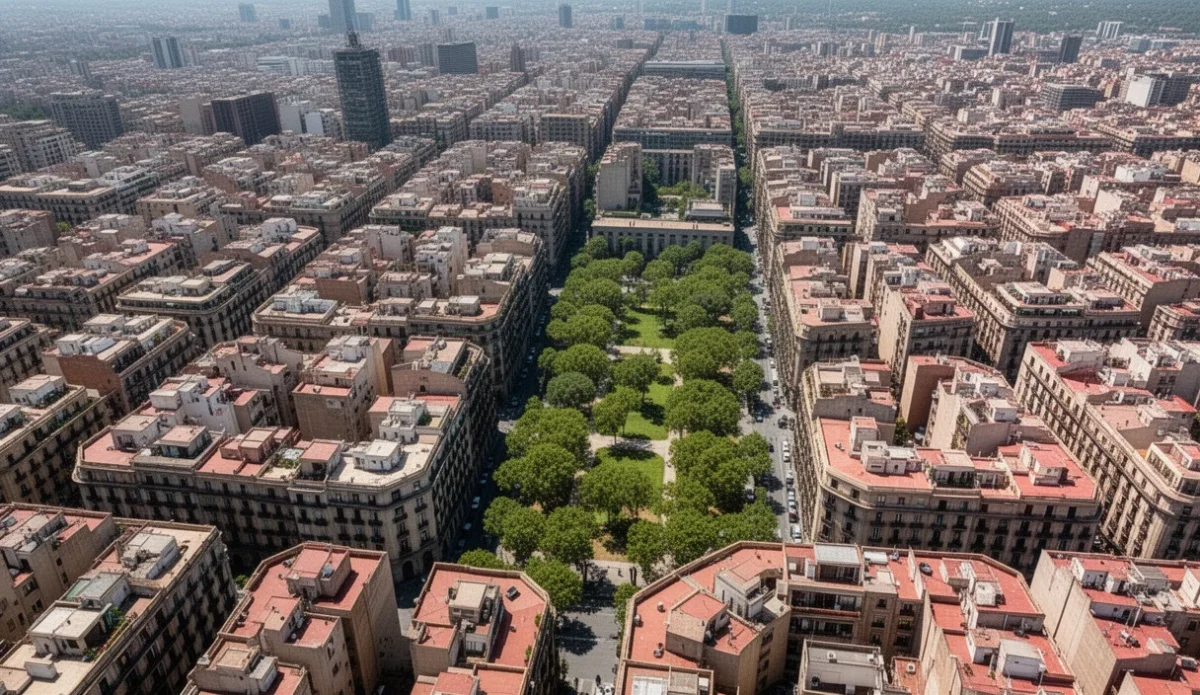
The urban landscape further complicates matters; Raval is among the top 16% most densely populated areas while also ranking sixth lowest in green space availability according to ASPB reports. Urban greenery has been shown through extensive research to mitigate temperature increases effectively—urban areas with more vegetation are typically around 1.6°C cooler.
“Urban design should prioritize renaturalization efforts,” states Blanca Arellano Ramos, an architect specializing in sustainability.
This pressing situation calls for immediate action from local authorities and community leaders alike. As summer approaches once again, residents are urged to stay informed about available cooling centers and public health resources designed to assist those most affected by extreme heat events.

You might also be interested in