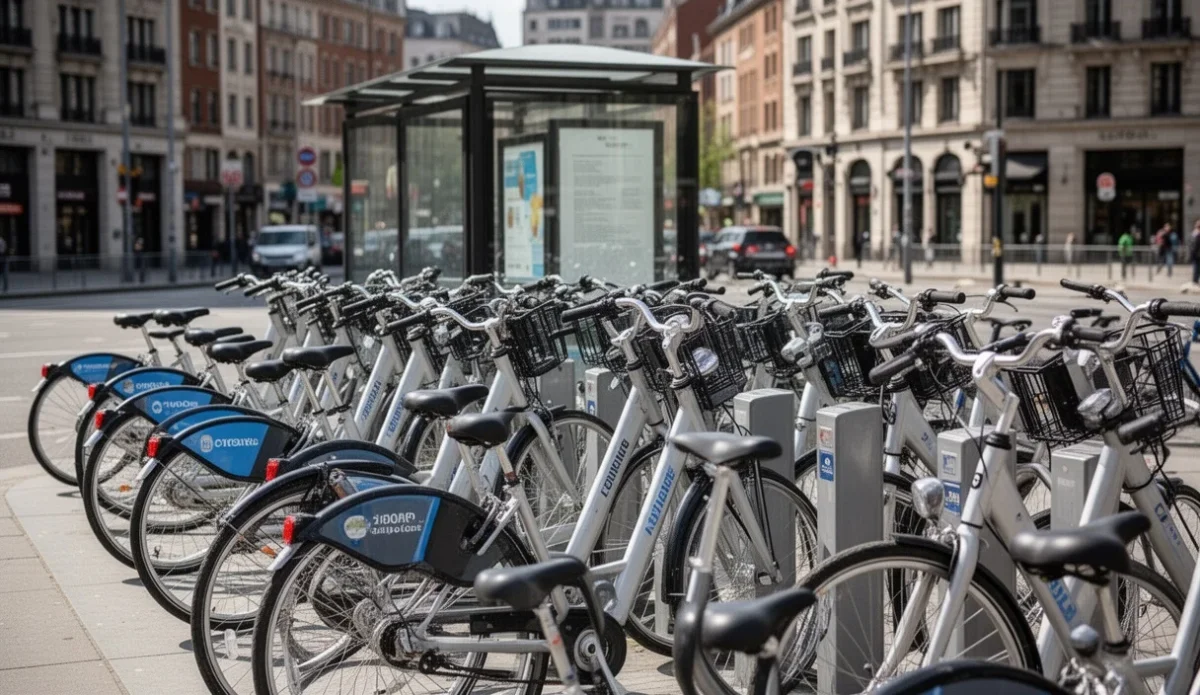
The city of Barcelona plans to increase its Bicing bike share program from 8,000 to 12,000 bicycles. This expansion aims to promote sustainable transportation options for residents.
In a significant move towards enhancing urban mobility, Barcelona’s Mayor Jaume Collboni announced an ambitious plan to expand the city’s Bicing bike share program by 50%. The initiative will see the number of bicycles available rise from 8,000 to 12,000, with corresponding increases in bike stations throughout the city.
This announcement was made during an interview on RAC1, coinciding with the Grand Départ of the Tour de France. Mayor Collboni emphasized that this expansion reflects a strong commitment to sustainable and affordable transportation options for residents, particularly young people. He stated, “Bicing is now the third most used public transport system in Barcelona after the metro and bus services.”
The new contract for Bicing is set to be tendered this autumn, ensuring that the expanded service is operational by the end of the current contract in 2028. Currently, over 170,000 individuals are subscribed to Bicing, which has already seen an increase of nearly 1,000 bicycles since last year.
The current fleet includes approximately 5,000 electric bikes, which have become increasingly popular among users. This shift has altered the previous ratio of mechanical bikes to electric ones significantly. Additionally, there are plans to increase station numbers from 519 in 2023 to a target of 593 by the end of this mandate.
The mayor also highlighted ongoing efforts to expand Barcelona’s cycling infrastructure. The city currently boasts a network of 270 kilometers dedicated solely to bicycle lanes and a total of around 1,200 kilometers of cycling-friendly routes. These include all streets designated as ’30 zones,’ where cyclists have priority over motor vehicles.
A focus on improving existing infrastructure has been evident during this mandate. Notable projects include enhancements along key cycling routes such as Diagonal Avenue and Meridiana Street. The latter will soon feature a wide segregated bike lane upon completion later this autumn.
The push for improved connectivity between neighborhoods has led to new bike lanes being established across various districts. For instance, recent developments include new lanes on Escòcia Street in Nou Barris and Joan de Borbó Street in Barceloneta.
This strategic investment in cycling infrastructure appears effective; data from 2025 indicates that usage rates for bike lanes increased by 17%, with nine out of ten monitoring points recording growth in cyclist numbers.
The upcoming changes promise not only greater accessibility but also enhanced safety for cyclists navigating through Barcelona’s bustling streets. Residents can expect more information about station locations and operational details as preparations for the new contract progress this fall.

You might also be interested in